

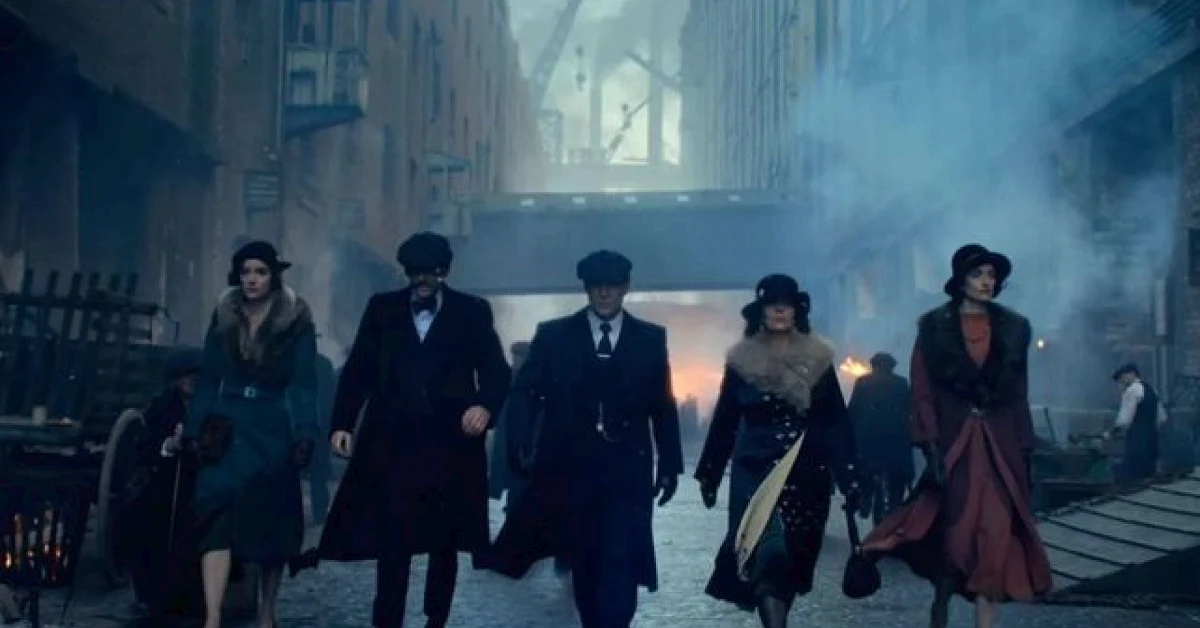

The West Midlands region, home to Birmingham and the legendary Shelby family, has officially been named the UK’s eighth regional production hub for film and high-end television. The British Film Commission (BFC) made the announcement on August 3, 2026, recognising the area’s ability to deliver major scripted projects.
Peaky Blinders creator Steven Knight, who also founded the Birmingham-based Digbeth Loc Studios, said he is “thrilled” by the recognition. The designation follows the success of the crime franchise, which has been set and shot in the region for over a decade.
The Three Criteria for Official Status
To earn official production hub status, the West Midlands had to meet three key requirements set by the British Film Commission:
- Studio or stage space and infrastructure capable of supporting a high-end TV show or film
- Access to a skilled local crew base
- Evidence of successfully accommodating a major scripted title
The region checked all three boxes, largely thanks to the Peaky Blinders franchise. Production for the original six-season series, the feature film Peaky Blinders: The Immortal Man, and the upcoming two-season sequel series all took place in the West Midlands.
The area now joins an exclusive club of official production hubs across the UK, including South-West England (Bristol), North-West England (Manchester and Liverpool), Yorkshire (Leeds), Northern Ireland (Belfast), Scotland (Glasgow and Edinburgh), Wales (Cardiff), and London & South-East England.
Steven Knight’s Vision for Birmingham
Steven Knight, 66, who created Peaky Blinders and wrote the feature film, has long pushed for Birmingham to become a major player in the global film industry. His Digbeth Loc Studios, which opened recently in Birmingham’s Digbeth district, played a central role in securing the hub status.
“I’m thrilled that the West Midlands has been recognised as a fantastic place to make film and TV. The opening of Digbeth Loc Studios is an important part of that ambition, providing a home for world-class film and television production in the heart of Birmingham.”
Knight also looked to the future, saying: “We are at the beginning of a journey, and we’ve got off to a great start. The West Midlands is always ambitious, and we believe we will create a global content making industry in our neighbourhood.”
The Economic Impact
The UK’s film and high-end TV production industry contributed £5.8 billion ($7.8 billion) to the UK economy in 2025. The West Midlands’ new hub status strengthens this UK-wide offering, promising international productions access to world-class facilities, skilled crew, and tax incentives.
Adrian Wootton, Chief Executive of the British Film Commission, used a fitting Peaky Blinders quote to mark the occasion:
“As Tommy Shelby of the Peaky Blinders once said, ‘when you plan something well, there’s no need to rush.’ The growing success of the West Midlands as a UK production hub certainly bears this out. Over the course of nearly 15 years, the region has steadily grown in strength and stature, building skills, infrastructure and reputation.”
Wootton, who is himself a born-and-bred West Midlander, called the development “a major win for the region’s creative community, the UK and a win for the global industry as a whole”.
What This Means for Future Productions
The official hub status gives the West Midlands a competitive edge in attracting international film and TV projects. Productions based in the region now have access to some of the world’s most stable tax incentives, along with unique locations and a growing talent pool.
Richard Parker, Mayor of the West Midlands, described the recognition as a “real gamechanger” that gives the TV and film industry “confidence” in the region.
Martin Haines, Managing Director of Kudos, the production company behind Peaky Blinders, added: “Making Peaky Blinders in the West Midlands has been a fantastic experience and the area is fast becoming a centre of excellence for the TV industry.”
The New Generation of Peaky Blinders
The upcoming two-season Peaky Blinders sequel series is currently being filmed at Digbeth Loc Studios in Birmingham. Set in the 1950s, a decade after the events of The Immortal Man, the series follows a new generation of Shelby family members.
Jamie Bell and Charlie Heaton lead the cast as Duke and Charles Shelby, two members of the next generation navigating post-war Birmingham. The show marks the first time a Peaky Blinders series has been filmed entirely in Birmingham, the city where the story is set.
The BBC previously announced plans to establish its future regional headquarters in The Tea Factory in Digbeth, further cementing Birmingham’s position as a growing media hub.
Related Stories


View all articles about
A Long Journey to Recognition
Peaky Blinders first launched on the BBC in 2013 and ran for six series until 2022. The show starred Cillian Murphy as Tommy Shelby, the ambitious gang leader who built a criminal empire in post-World War I Birmingham.
The feature film Peaky Blinders: The Immortal Man was released earlier this year, with Murphy reprising his role alongside Barry Keoghan as Duke. The film concluded with Tommy Shelby’s death, marking the end of an era for Murphy’s character.
But Knight is far from done with the franchise. The new sequel series, currently in production, will return to the streets of Birmingham with a fresh generation of characters.
Knight previously told MPs that it took “ten years of struggle” to create a TV and film mecca in Digbeth, and that the vision is finally becoming a reality. The official hub status is the latest sign that Birmingham is on its way to becoming a “world class” TV and film production centre.
Also Read: ‘Furious’ Episode 4 Exposes Isabel and Catherine’s Past as Alice Faces a Major Setback
For more entertainment news and updates on the latest developments in film and television production, stay tuned to VvipTimes for comprehensive coverage of everything happening in the world of streaming and entertainment.


















Leave a Reply