

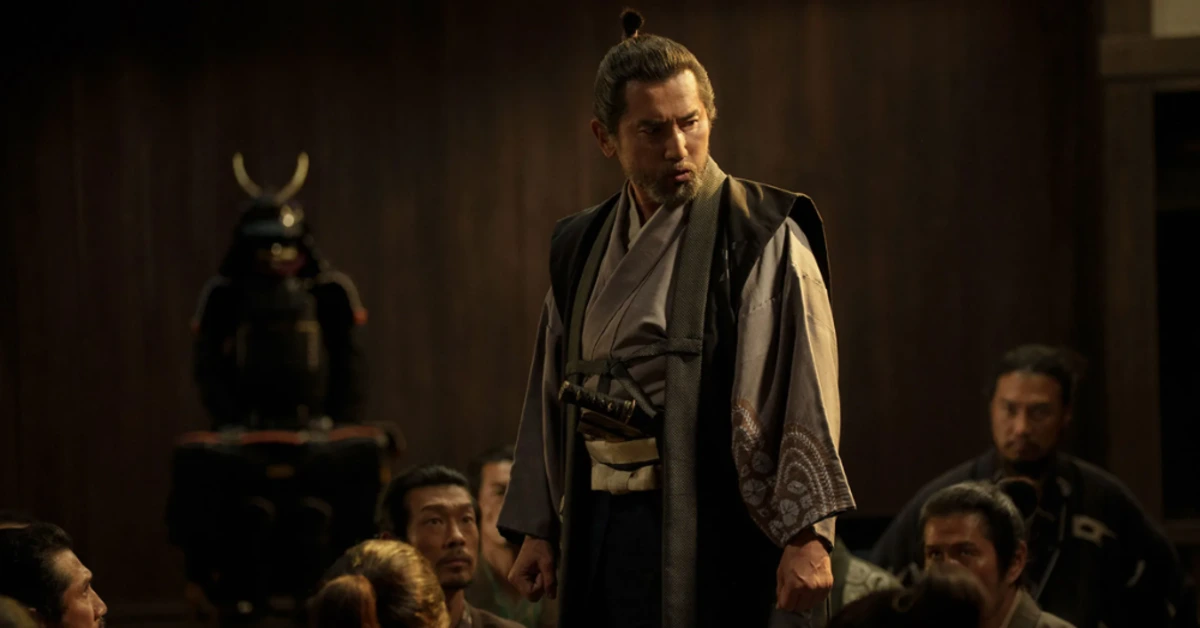

Kiyoshi Kurosawa has stepped into samurai cinema for the first time, and the world is paying attention. His period mystery The Samurai and the Prisoner has now secured distribution deals across Europe, Asia, Australia, and the Americas, following a strong theatrical run in Japan that has crossed JPY 1.1 billion ($7.1 million) from 800,000 admissions.
The film, adapted from Honobu Yonezawa’s Naoki Prize-winning novel, had its world premiere in the Cannes Premiere section of the 2026 Cannes Film Festival earlier this year. Paris-based sales agent Charades has been handling international rights and has now closed deals with buyers in more than 15 territories.
The Complete List of Global Distribution Deals
Janus Films holds rights for the United States and Canada, where the film has already grossed approximately $800,000. The US theatrical release began on July 31, 2026, opening in New York and Los Angeles before expanding to major cities through August.
For UK audiences, Blue Finch Film has picked up distribution rights. I Wonder Pictures will handle Italy, while Arthouse takes France. Adso Films covers Spain, Film4you handles Portugal, Mars Films serves Turkey, and Cinemart covers the Czech Republic and Slovakia.
Palace Entertainment holds rights for Australia and New Zealand. In Asia, Studio DHL has taken South Korea, Sky Digi Entertainment covers Taiwan, Singapore Film Society handles Singapore, and Falcon will distribute in Indonesia.
Paradise MGN covers the Baltics and CIS territories, while MCF Megacom Film has taken Ex-Yugoslavia and Bulgaria. Bofrato holds airline rights.
What the Film Is About
Set during Japan’s Sengoku period in the 16th century, the story follows Lord Araki Murashige (played by Masahiro Motoki), a warlord who rebels against the ruthless Oda Nobunaga. Besieged inside his own castle, Murashige faces a series of mysterious deaths within his court. Unable to solve the crimes alone, he forms an uneasy partnership with Kuroda Kanbei (Masaki Suda), a brilliant strategist imprisoned in the castle dungeon.
The film has been described as a mix of samurai action and classic detective storytelling. Variety’s Jessica Kiang wrote in her review: “Kurosawa’s highly entertaining adaptation knows that just because you are chained does not make you a prisoner, any more than having wealth and power can reliably make you free”.
Cast and Production
The ensemble cast includes Yuriko Yoshitaka, Joe Odagiri, Munetaka Aoki, Ryota Miyadate, and Tasuku Emoto, alongside Bando Shingo as Oda Nobunaga. Kurosawa wrote the screenplay adaptation himself. The film was produced by Shochiku — the 130-year-old Japanese studio behind classics like Departures and Yasujiro Ozu’s films — in association with Tokyo Broadcasting System Television.
Kurosawa shot the film with cinematographer Yasuyuki Sasaki in a richly shadowed classical style that pays tribute to the jidaigeki genre.
Why This Film Matters for Kurosawa’s Career
This marks Kurosawa’s first-ever period drama and first samurai film, a departure for a director best known for psychological horror films like Cure and Pulse, as well as dramas like Tokyo Sonata. The director has said the genre had been one of his longest unrealized ambitions.
“I’ve always had this desire to make a jidaigeki film one day, but to do so nowadays takes a lot of money,” Kurosawa told The Hollywood Reporter ahead of Cannes, noting the elaborate sets, locations, wigs, makeup and costumes the classical style demands. “I just never really had the opportunity given to me until now”.
The source novel Kokurojo made history in Japan by sweeping all four major mystery awards, including the 12th Futaro Yamada Award and the 166th Naoki Prize.
What Critics Are Saying
Reviews have been mixed but largely positive. The Hollywood Reporter called it “a stately and rather stagy historical mystery” with an anti-war message that “seems to be speaking to our time as well”. RogerEbert.com described it as “riveting” and noted it plays “like Samurai Columbo”. The South China Morning Post gave it 4 out of 5 stars, calling it “an intelligent, captivating spin on the samurai genre”.
IndieWire was less impressed, giving it a C+ and calling it “a plodding detective story set within the walls of a besieged 16th century castle”. Metacritic summarized critical consensus as “a handsomely mounted piece that leans more towards psychological warfare than the sword-based bloodshed that fans of Kurosawa’s previous work might expect”.
Japan’s Box Office Performance
The film opened in Japan on June 19, 2026, through Shochiku. Its performance of JPY 1.1 billion from 800,000 admissions gave international distributors concrete evidence of audience demand beyond festival circles. The film’s runtime is 147 minutes.
Related Stories

View all articles about
Kiyoshi Kurosawa on the Story’s Meaning
Kurosawa spoke about the universal themes of the film ahead of its Cannes premiere. “I was very positively surprised to learn that the story of the Sengoku warlord Araki Murashige, who rebelled against his lord Oda Nobunaga, will be screened in Cannes, transcending both borders and time,” he said in a statement. “If, by good fortune, people overseas can truly understand that this is something that could still happen even today, I would be immensely happy”.
For more updates on international film releases and distribution news, stay tuned to VvipTimes.














Leave a Reply