
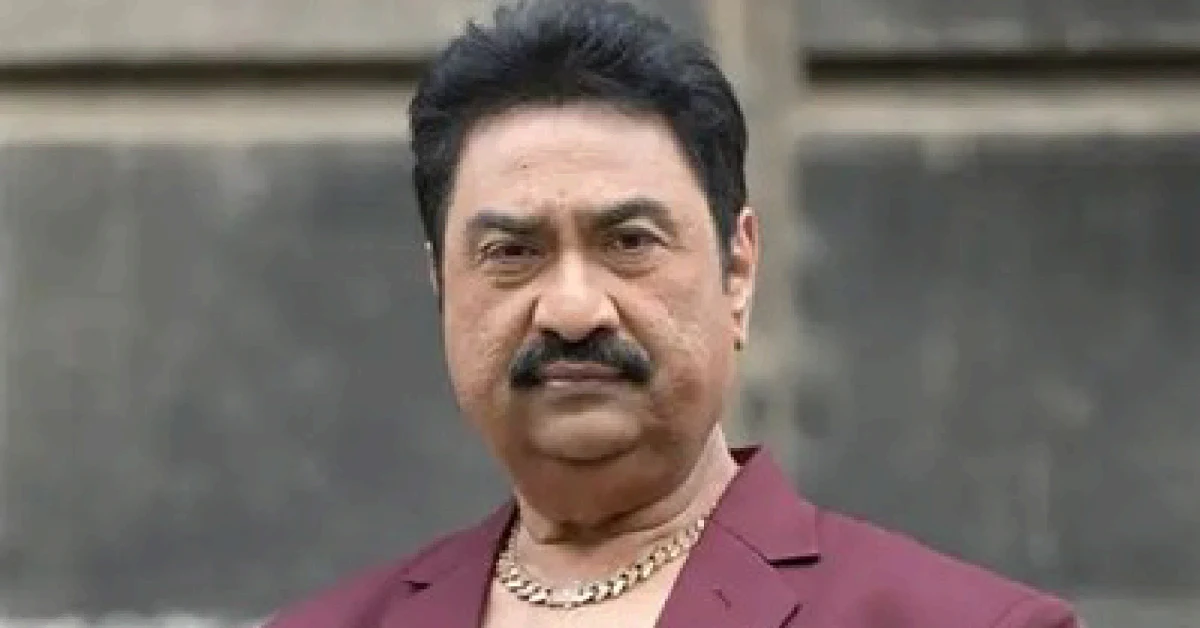

Veteran playback singer Kumar Sanu, 69, has spoken about how Bollywood music has changed over the decades. In a new interview with Hindustan Times, the singer said that while good songs are still being made, the freedom that once allowed music directors, lyricists and singers to experiment is no longer there. Sanu, who recently reunited with Udit Narayan for a song after 21 years, also shared his views on technology, auto-tune and the lost discipline of recording.
What Kumar Sanu Said About Creative Freedom
Sanu explained that during his peak years in the 1990s and 2000s, a music director could present multiple options for a single situation. The team would then choose the best one. That process, he said, was at the heart of making art.
“Earlier, music directors, lyricists and singers had creative freedom. If a situation was given to a music director, he could come up with 10 different options, and then the team could decide which one worked best. There was only creativity all around. That is what art is.”
— Kumar Sanu to Hindustan Times
The singer made it clear that he does not think the industry lacks talented composers or good songs today. What he misses is the room to try different things without interference.
“There are many people who can create good music even today. Songs are not necessarily bad. But where is that freedom? That freedom is not there.”
— Kumar Sanu
Technology Changed How Songs Are Recorded
Sanu pointed out that technology has made music production easier, but it has also changed the level of dedication that goes into a recording. In the past, a mistake meant the entire orchestra had to play the song again. That fear of making a mistake, he said, created a different kind of seriousness.
“Earlier, we had to sing perfectly. We would be scared of making a mistake because if we made one, the musicians would have to play the entire thing again. There was a different kind of dedication. If the fear is gone, then the dedication is gone. If the dedication is gone, then there is no seriousness in it. Earlier, we would complete a song in one or two takes. Today, sometimes it is recorded word by word.”
— Kumar Sanu
The singer also spoke about tools like auto-tune and Melodyne, which allow singers to correct their pitch after recording. Sanu said these tools have good and bad sides. They make singing and dancing easier, but they cannot replace the human element in art.
“Today, with auto-tune and Melodyne, things have become easier. You can correct things. There are good and bad sides to technology. It has made singing and even dancing easier, but you can’t form art through technology. Art is formed by God. Or you get it by heredity.”
— Kumar Sanu
The Reunion with Udit Narayan After 21 Years
The interview comes shortly after Sanu and Udit Narayan came together for the song “Suniyo Zara” from the film Suryaa: Ant Se Aarambh Tak. The track, released on October 27, 2026, marks their first collaboration in 21 years. The two singers last recorded together for the 2005 film No Entry, for the song “Kahaan Ho Tum”.
“Suniyo Zara” is described as a friendship anthem. It is composed by RAAHEE, associated with Pritam’s JAM8, with lyrics by Priya Saraiya. The song also features singer Anupam Amod and is picturised on Sunny Deol and Ravi Kishan. The film Suryaa: Ant Se Aarambh Tak is directed by M. Padmakumar and is scheduled to release in cinemas on November 20, 2026.
Sanu shared that recording with Narayan again brought back memories of their time in the studio during the 2000s.
“Our friendship is very old. It is still there, and it will remain so. When we both sit together, we laugh a lot and talk about old memories from our recording days. Recording this song was revisiting old days, indeed a very happy atmosphere.”
— Kumar Sanu on working with Udit Narayan again
A Career Spanning More Than Four Decades
Kumar Sanu has been part of the Hindi film music industry for over four decades. He rose to fame with the soundtrack of Aashiqui in 1990 and went on to become one of the most recorded playback singers of the 1990s. His collaborations with composers like Nadeem-Shravan, Anu Malik and Jatin-Lalit produced a long list of hit songs.
You May Also Like



The singer has previously spoken about industry politics, pressure to sing certain types of songs, and the changing nature of music. In this latest interview, his focus stayed on one point: the freedom to create without interference is what he misses most.
Also Read: Kumar Sanu Opens Up About ‘Movie Mafia’ Pressure, Refused To Sing Vulgar Songs In The 1990s
Stay tuned to VvipTimes for more updates on your favourite artists and the latest in entertainment.


















Leave a Reply