

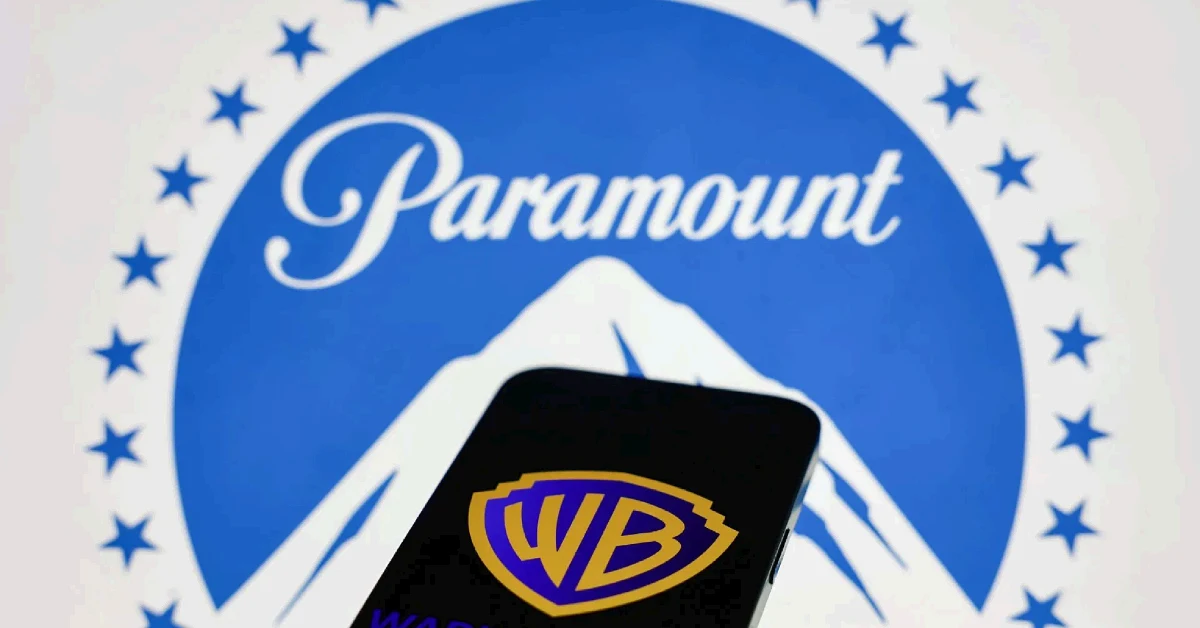
A proposed merger between Paramount Skydance and Warner Bros. Discovery could cost about 4,500 film and television jobs in Los Angeles County over the next three years. The estimate comes from a report released by Los Angeles County officials on August 18, 2026.
The study was prepared by CVL Economics for the L.A. County Department of Economic Opportunity and the L.A. County Film Office. County Supervisor Lindsey Horvath requested the report in March to examine the economic effects of the merger. The report warns that the deal would speed up the downturn in L.A. production, which has already lost 52,000 jobs over the past four years.
How Many Jobs Are at Risk
The report estimates that about 4,500 direct film and television jobs could be lost during the three-year period when the companies would combine operations. These job losses would affect writers, producers, crew members, and other production professionals.
But the impact goes much further. The report says a total of 10,360 job-years could be at risk. A “job-year” means one job held for one full year.
Here is how the numbers break down:
- 4,500 direct production jobs at risk in film and television
- 2,661 indirect jobs at small businesses that support production, such as prop houses, printers, and transportation companies
- 3,204 induced jobs supported by production spending in the local economy, including restaurants, retailers, and service providers
The report also warned that about 895 creators hold exclusive deals with the two companies. If development shrinks, these creators and their crews will lose work.
The Financial Cost of the Merger
The economic damage would be massive. The report projects:
- $1.26 billion in lost wages for workers
- $2.78 billion in lost economic value
- $4.06 billion in total business output
- $547 million in lost tax revenue, including $78.6 million in local taxes
Most of the local tax revenue loss, about 63 percent, would come from property taxes.
Why Jobs Would Be Lost
The report identifies several reasons why the merger would lead to job losses:
Slate consolidation would mean fewer buyers and fewer projects getting approved. When two studios become one, they do not need two separate production teams. They can cut overlapping positions in creative, technical, and administrative roles.
Moving production to cheaper locations is another major concern. The high cost of living in California, combined with stronger tax incentives in other states and countries, makes it attractive for studios to film elsewhere.
The report found that of the 73 films on the combined Paramount-WBD 2025 slate with a known filming location, only four were shot in California and just one in Los Angeles County. Between 2023 and 2025, only 8.2 percent of the companies’ films were shot in California.
For television, the picture was slightly better. California accounted for 30.3 percent of the two companies’ TV series with an identified production location. Of that California TV production, 85.4 percent was in Los Angeles County.
The Entertainment Industry Is Already Struggling
The report notes that Los Angeles County’s film and television economy is already going through a major contraction. The average number of motion picture jobs in the county hit a low point in 2025 at 93,263, down nearly 36 percent from 2022.
California has lost 52,016 entertainment jobs since 2022, with more than 99 percent of those losses happening in Los Angeles County. The industry has been hurt by the pandemic, strikes, and a drop in released projects.
The report warns that the proposed merger adds another layer of risk to an already fragile market.
Paramount Responds to the Report
Paramount pushed back against the negative findings. A company spokesperson said the report actually proves their point about how bad things are in Hollywood.
“L.A. County’s own economic report underscores what we have been saying all along: our industry is in decline, production is down and jobs are being lost — and lost for good if we don’t act.”
Paramount argues the merger will create a stronger company that can make more movies and TV shows. But the company has not promised to make them in Los Angeles.
“Our plan to invest $30 billion annually in production and release at least 30 films a year is how we regain that ground: more production that supports more jobs over time, and ultimately, a stronger, more durable entertainment industry for generations to come.”
The company also said it has cleared regulatory requirements for the merger in 68 countries and “could and would” close the deal if not for state intervention.
You May Also Like:







The Legal Battle Over the Merger
The merger is currently on hold until at least March 2027. A trial is scheduled on an antitrust lawsuit brought by 12 state attorneys general, led by California Attorney General Rob Bonta.
The states argue the deal would violate antitrust law and hurt competition. They contend the merged company could control nearly one-third of U.S. theatrical films and a similar share of basic cable programming.
The lawsuit relies on claims of illegal market concentration in theatrical distribution and basic cable distribution. It does not focus on the job-loss issues identified in the county report.
The Writers Guild of America has also filed its own lawsuit to block the merger. The WGA argues the deal will lead to fewer opportunities for writers to sell their projects. The WGA case will be tried at the same time as the states’ case.
The Directors Guild of America and IATSE have taken a different approach. They have urged the parties to reach a settlement. The unions represent nearly 200,000 film and television workers across the U.S. and Canada.
The unions sent a joint letter expressing concern about the negative impact a delay in the merger decision would have on workers. They noted that productions have been put on hold or canceled because of the uncertainty.
“As our members struggle to find employment, the uncertainty surrounding the proposed merger is only making matters worse. We are aware of productions that have been put on hold or canceled altogether, leading to further reductions in available work for our members and other industry workers.”
Paramount’s $1.88 Billion Bond Request
Paramount has asked a federal judge to require the states and the Writers Guild to post a $1.88 billion bond as a condition of keeping the transaction on hold. A hearing on that request is set for September 24 in federal court in Oakland.
The company is facing financial pressure from the delays. Under the deal terms, Paramount could face “ticking fees” of about $7 million a day if the transaction remains delayed beyond the deadline.
The merger agreement, signed in February 2026, calls for Paramount to pay $31 per share in cash for all outstanding shares of Warner Bros. Discovery. The deal has an equity value of $81 billion and an enterprise value of about $110 billion including debt.
If the transaction has not closed by September 30, 2026, Warner Bros. Discovery shareholders will receive a $0.25 per share “ticking fee” for each quarter until closing.
California Governor and Los Angeles Mayor Weigh In
California Governor Gavin Newsom has said he would prefer to reach a settlement in the lawsuit. He described the Paramount-Warner deal as “good”.
Los Angeles Mayor Karen Bass has also urged a settlement in the merger fight. She pointed to the uncertainty that the stalled $111 billion deal has created for workers at both companies.
Settlement Talks Collapse
Just days before the report was released, settlement talks between Paramount and California fell apart. Bonta canceled a planned meeting scheduled for August 24.
Bonta accused Paramount of leaking information from a Friday meeting between the two sides.
“Not only did Paramount leak the alleged substance of settlement discussions, but they misrepresented these discussions, demonstrating a lack of good faith. As soon as Paramount stops playing games and engages sincerely, my office is happy to meet again.”
The meeting was supposed to discuss a potential settlement of California’s lawsuit aimed at blocking the merger. Paramount had requested the meeting.
The collapse of settlement talks means the case is now heading toward the courtroom. The federal trial is currently expected in March 2027.
What Happens Next
The Paramount-Warner Bros. merger battle is far from over. With settlement talks off the table, both sides are preparing for a legal fight. The outcome will determine the future of two of Hollywood’s biggest studios and the thousands of workers who depend on them.
A hearing on Paramount’s bond request is set for September 24. The antitrust trial is scheduled for March 2027. Until then, the entertainment industry in Los Angeles remains in a state of uncertainty.
Also Read: Mark Ruffalo Calls Paramount’s ‘Antisemitic’ Label Appalling and Fundamentally Dishonest
Stay connected with VvipTimes for the latest breaking news and updates from the world of entertainment and Hollywood.


Leave a Reply