
Noah Wyle shares insights on the hit medical drama’s second season, which builds on its Emmy-winning success with new medical challenges, a tense holiday shift, and a confirmed third season.
The second season of The Pitt is now available on HBO Max, picking up the action ten months after the intense events of its celebrated first season. The show, which won major Emmy awards including Best Drama Series, continues to follow the doctors and nurses of the Pittsburgh Trauma Medical Center’s emergency department over another high-stakes, real-time shift. This season, the drama unfolds on July 4, a day notorious for emergency room chaos.
Lead actor and executive producer Noah Wyle, who also steps behind the camera to direct an episode this season, opened up about the pressure of following up a breakout hit, the choice of setting, and the show’s future. At a recent premiere event, it was announced that The Pitt has been renewed for a third season.
Why the Fourth of July is the Perfect Backdrop
Season 2 transports viewers to a hectic Independence Day shift at the hospital. According to Wyle, the holiday provided a rich setting packed with potential for both drama and dark comedy.
“Anytime you mix alcohol, patriotism and fireworks, it’s good for drama and comedy,” Wyle said .
The timeline was also dictated by character arcs. The ten-month jump forward allowed for the return of Dr. Frank Langdon (Patrick Ball), who is coming back to work after completing a rehab program following his dismissal for stealing patient medication in Season 1 . Co-star Katherine LaNasa, who plays charge nurse Dana Evans, noted the holiday works on two levels: “One is that people do stupid stuff… so you get a little bit of comic relief from that,” while also “shining a light on what’s wrong with our country” through the lens of the healthcare system .
New Faces and Evolving Dynamics in the ER
The new season introduces Dr. Baran Al-Hashimi, played by Sepideh Moafi. She is the new attending physician set to replace Dr. Robby during his planned sabbatical, and her arrival immediately creates tension. Dr. Al-Hashimi is a proponent of integrating artificial intelligence into hospital workflows to increase efficiency, a stance that clashes with Robby’s more traditional, hands-on approach .
This conflict around AI is a central thread. Executive producer John Wells pointed out the real-world dilemma the show explores: whether the technology will give doctors more time with patients or simply be used to accelerate how many patients they are expected to see .
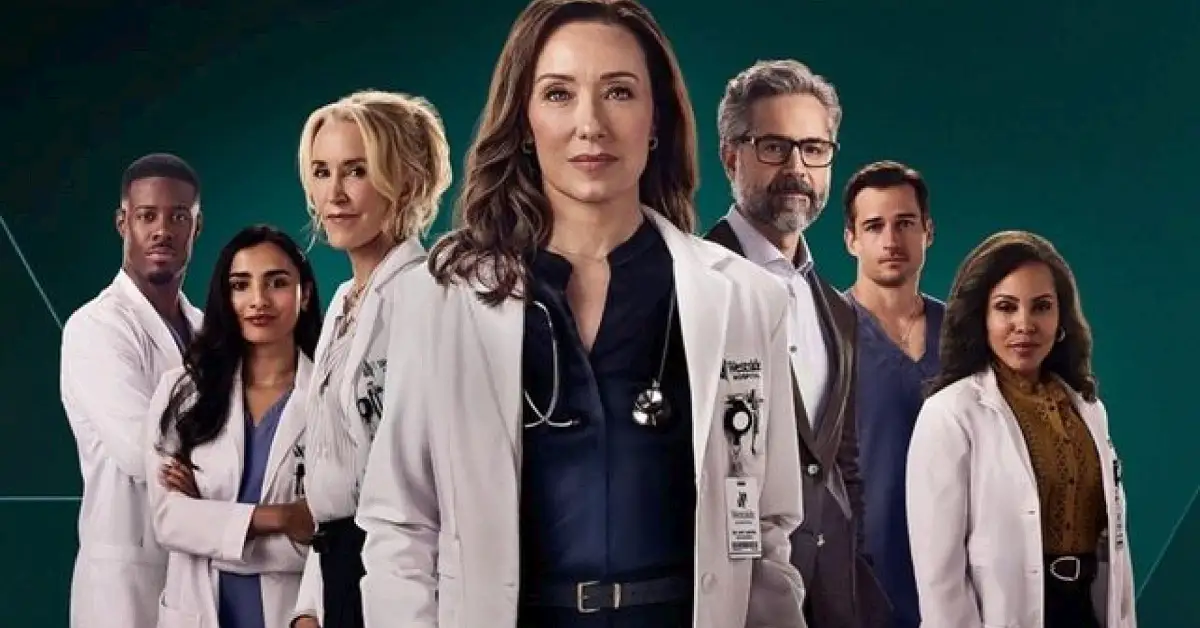
Meanwhile, the core ensemble from the first season returns, now more experienced and confident. Critics note that the show skillfully avoids simply repeating the intense personal trauma of Dr. Robby’s first-season arc, instead showing how all the characters have grown and been shaped by their past experiences .
Building on Success and Avoiding a “Sophomore Slump”
Following multiple Emmy wins, the creative team felt the weight of expectation. Wyle admitted the pressure was real, but found guidance from veteran producer John Wells.
“I will say that John alleviated us from a lot of that pressure early on by saying, ‘You don’t have to do it bigger, better, faster, stronger. You just have to do it again and remember what you did the first time and stay true to the characters and be honest and go from there,’” Wyle shared .
The strategy worked. Early reviews are overwhelmingly positive, with critics stating the show has successfully avoided a decline in quality. Reviews call it “expertly crafted,” “confident,” and note it “hasn’t lost a step” . The show continues to balance hyper-realistic medical cases with the personal journeys of its staff, all while tackling urgent social issues like the nursing shortage, the boarding crisis, and the realities of medical debt .
Also Read:
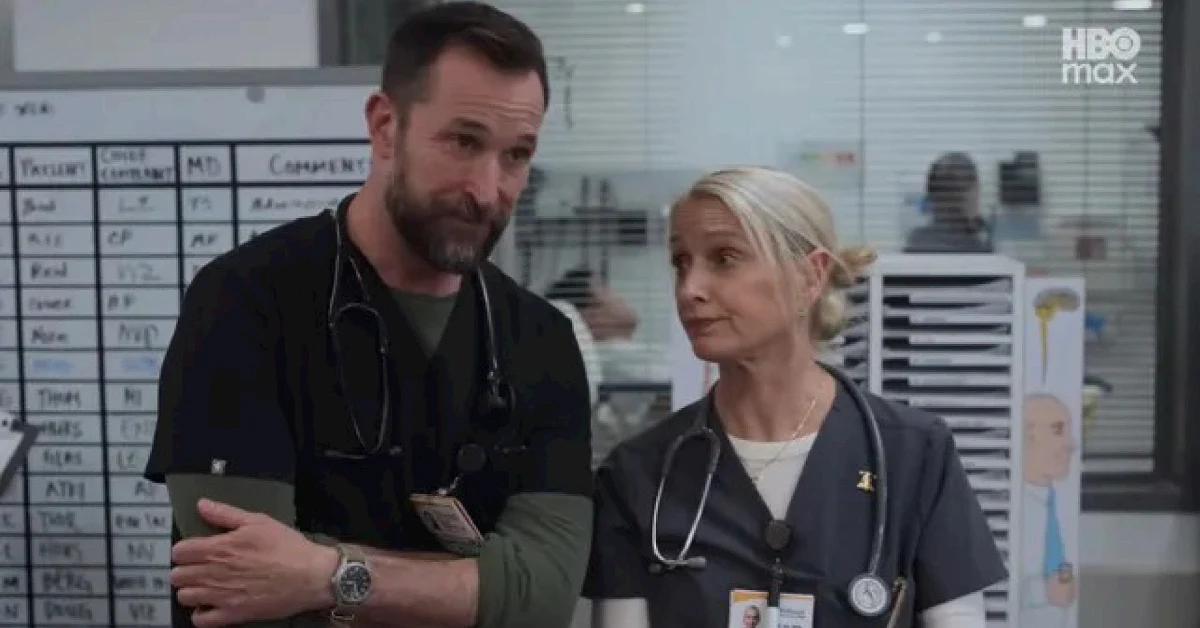

A Commitment to Medical Accuracy and Human Stories
A hallmark of The Pitt is its dedication to medical realism, a standard set by its predecessor ER. Wyle emphasized the team’s commitment to authenticity, consulting constantly with healthcare professionals.
“We try to be so faithful to the medicine and the accuracy that you could take this back to your physician and open up that dialogue again,” Wyle explained, highlighting the show’s goal of fighting medical misinformation and rebuilding trust .
This accuracy extends to the portrayal of the American healthcare system’s flaws. The writers draw stories directly from conversations with current doctors and nurses, focusing on the human impact of systemic problems . One patient storyline this season involves a father without health insurance forced to choose between necessary treatment and crippling debt, a scenario the show treats with nuance and empathy .
A Renewed Future and Lasting Impact
With a third season already confirmed, Wyle and the creators are thinking about the long term. A major point of pride is the show’s role as a significant employer in Los Angeles, where it films.
“I think [showrunner] Scott [Gemmill] and I both feel significantly that we employ upwards of 350 people in Los Angeles right now, nine or 10 months a year, and we’d like to keep that going as long as possible,” Wyle said .
Executive producer John Wells sees no shortage of material, as long as the problems within the healthcare system persist. “As long as HBO Max wants us to do it, I think there will be plenty to write about,” he stated .
For Wyle, adding directing to his duties has been a rewarding challenge. His co-stars welcomed his move, with Fiona Dourif joking that Wyle is “like the daddy of The Pitt,” and that the cast often went to him for guidance even before he officially directed . Wyle expressed a desire to direct more, calling it “the most fun I really have ever had working” .
The Pitt Season 2 is streaming now on HBO Max, with new episodes released weekly. The season is comprised of 15 episodes, mirroring the 15-hour shift it depicts, and will run through April 16, 2026 .
Also Read: Made in Korea Episode 6 Release: Series Finale Date, Time and Story Preview