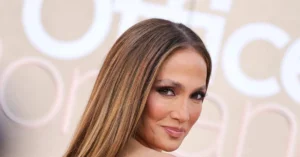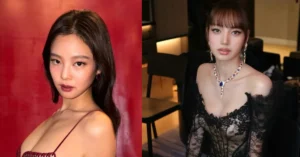
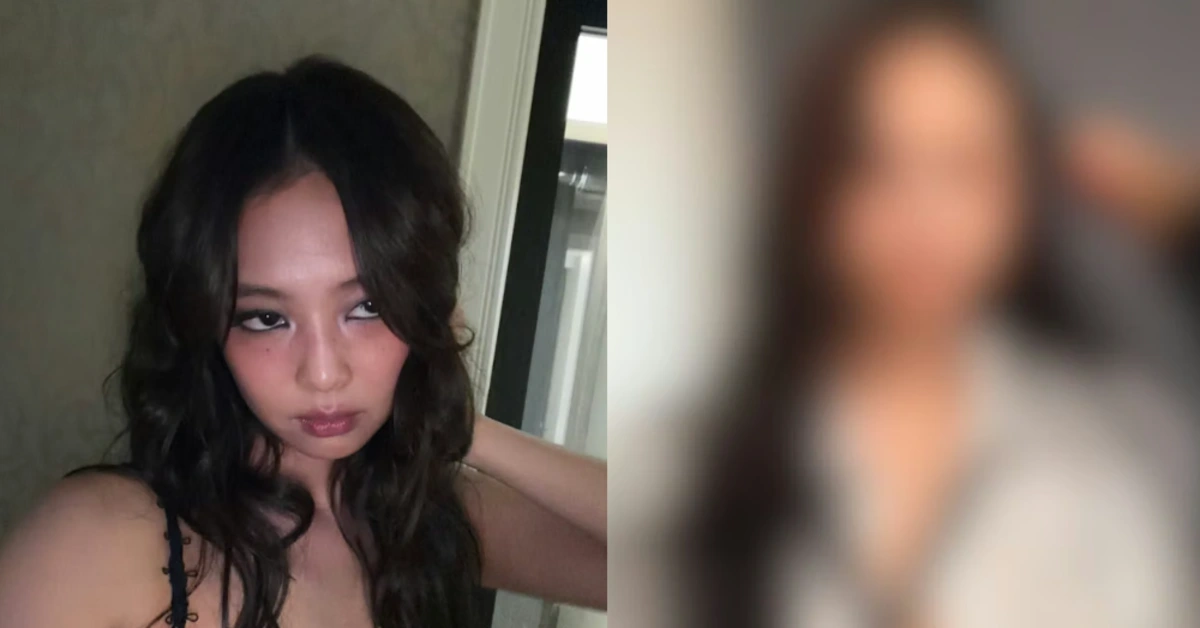

BLACKPINK’s Jennie is once again at the centre of a familiar storm. A magazine video showing the idol in an open shirt with no bra has triggered a fresh round of brutal online comments. The backlash comes just as her agency, OA Entertainment (ODD ATELIER), confirmed it has filed criminal complaints against multiple accounts over AI-manipulated videos and malicious posts targeting the artist.
The situation has reignited a debate about how female K-pop stars are treated online. It also highlights the double standard Jennie faces: criticised for what she wears, and then targeted with manipulated content that turns her image into something she never approved.
The Video That Sparked the Backlash
The trouble began when a clip from a recent magazine shoot started circulating on social media. The video shows Jennie wearing a white shirt left completely open, with no bra underneath. A post sharing the clip described it as “braless” content, and while the original intent of the post may not have been hostile, the comment sections quickly turned toxic.
Critics flooded the replies with harsh words. Some accused her of seeking attention. Others questioned her dignity. The backlash was not limited to one platform; it spread across X (formerly Twitter) and online community forums within hours.
The timing of the clip’s virality put it directly alongside news of Jennie’s legal victory against deepfake creators. That coincidence made the hate comments even more pointed. Several users linked her revealing outfit to the agency’s lawsuit, suggesting she was somehow responsible for the unwanted attention her clothing attracted.
One widely shared comment captured the mood of the criticism: “She wears outfits without a bra or super revealing clothes, and then when it goes viral online, she threatens to sue people lmao where is this girl’s dignity?!”. The quote was re-posted across multiple K-pop news aggregators and community sites, amplifying its reach.
A Pattern of Harassment, Not a Single Incident
The “braless” video controversy is not an isolated case. Jennie has been the target of online abuse multiple times in 2026 alone. In July, a viral tweet falsely claimed that a piece of clothing in her “Less Than a Lover” music video looked like a “nude bra.” The claim was based on edited screenshots that did not appear in the actual video. Fans debunked the images, but the damage was done, and the hate comments poured in.
In August, a video appearing to show a wardrobe malfunction during her performance at Summer Sonic Tokyo spread rapidly online. The footage, which showed her chest fully exposed, was later questioned as a possible AI deepfake. The incident prompted OA Entertainment to issue its first warning of legal action.
By November, the harassment had escalated to the point where the agency confirmed it had filed criminal complaints against multiple accounts. The complaints cover the creation and distribution of AI-generated fake videos, malicious editing, sexual objectification, and defamatory posts.
The common thread across all these incidents is that Jennie is punished twice: first for what she wears or how she performs, and second when malicious actors manipulate her image and flood the internet with fake content.
The Agency’s Legal Move and What It Means
On November 24, OA Entertainment released an official statement detailing its legal progress. The agency said it had been collecting evidence through fan reports and its own monitoring of social media platforms in South Korea and abroad. After a review by its legal representatives, criminal complaints were filed against several accounts.
The statement was unusually direct about the scope of the problem. The agency listed the violations as including “the creation and distribution of AI-generated fake videos using her likeness, malicious editing, sexual objectification, repeated distribution, and defamatory posts”.
“We have filed criminal complaints against multiple accounts over serious violations of our artist’s rights, including the creation and distribution of AI-generated fake videos using her likeness, malicious editing, sexual objectification, repeated distribution, and defamatory posts.” — OA Entertainment statement, November 24, 2026
The agency also issued a warning that went beyond the usual “do not share” message. It stated that possessing, purchasing, saving, or even viewing certain illegal AI-generated materials could carry legal responsibility under applicable laws. That is a significant escalation in the legal posture, and it places the responsibility not just on creators but on consumers of deepfake content as well.
OA Entertainment added that investigations are underway to identify the individuals behind the reported accounts, and that it is working with platforms to obtain the necessary information. The agency thanked fans for their reports, saying that fan vigilance has played a key role in identifying harmful posts and building the legal case.
What Jennie Has Said About the Scrutiny
Jennie has spoken about the pressure of constant public attention. In an interview connected to a recent magazine shoot, she said that she trusts herself and does not feel that her true self has faded, even when outside opinions shift.
“I trust myself very much, so I have never felt that my original self has faded. Of course, sometimes I waver because of everyone’s attention and different perspectives, but the most important thing is that I know who I am and what I like.” — Jennie, in a magazine interview
The comment was made in the context of a fashion shoot, not the hate campaign. But it lands differently when read against the wave of comments questioning her choices. It suggests a resolve that the legal action from her agency is meant to support.
Fans Push Back Against the Hate
While the criticism was loud, it was not unchallenged. In the comment sections where the “braless” clip spread, fans and neutral observers pushed back against the body-shaming and the double standard. Several replies pointed out that male idols are rarely subjected to the same level of scrutiny for their stage outfits or magazine shoots.
The pattern was similar in the aftermath of the Summer Sonic deepfake. Fans flooded social media with messages defending Jennie and calling out the misogyny behind the viral video. One widely shared fan post read: “WHY IS IT ALWAYS JENNIE WHO HAS TO SUFFER FOR SOMEONE ELSE’S ACTIONS??? I’m genuinely fucking angry. This is NOT the first time someone has made a deepfake of Jennie, yet somehow she’s the one being questioned, blamed, and dragged while the people creating and spreading this…”.
The fan response has become a recurring feature of these incidents. It does not stop the initial wave of hate, but it does shape the narrative that follows, often forcing the conversation back toward the actual perpetrators of the manipulated content.
The Legal Context in South Korea
The legal action against deepfakes in South Korea has become more aggressive in recent years. Under the Sexual Violence Punishment Act, creating or distributing fabricated sexual images without consent is a criminal offence. The law was amended in 2024 to include penalties for merely possessing or viewing such material, not just for distributing it.
That legal backdrop makes OA Entertainment’s warning about viewers particularly relevant. The agency is not just going after the creators of the fake videos; it is signalling that the audience for that content is also on notice. For a global fandom that sometimes shares clips without checking their authenticity, the message is clear.
The Summer Sonic deepfake from August remains a key part of the legal case. The first account believed to have posted the footage was locked, and the agency has been building a case around that incident and others like it. The November filings appear to be an expansion of that effort, targeting a wider network of accounts involved in both the creation and the spread of malicious content.
What the “Braless” Video Actually Shows
The clip at the centre of the latest backlash comes from a magazine shoot, not a live performance or a music video. It shows Jennie in a styling that is consistent with high-fashion editorial work: an oversized shirt worn open, with no bra, in a controlled studio setting. The shoot itself was a professional project, and the video was released as part of the promotional material for the magazine feature.
The criticism that followed focused on the lack of a bra, not on the context of the shoot. That distinction was lost in the viral spread. The clip was stripped of its editorial framing and circulated as evidence of a supposed attention-seeking choice. The same clip was then used to argue that Jennie had invited the deepfake harassment that followed the Summer Sonic performance.
That logic is what the agency’s legal action is designed to counter. By filing criminal complaints and warning viewers, OA Entertainment is drawing a line between a fashion choice and a crime. The message is that one does not justify the other.
The Broader Cost of the Cycle
Each of these incidents follows a similar pattern. A clip or an image surfaces. It spreads rapidly, often with a misleading caption. Hate comments flood the replies. Fans mobilise to defend Jennie. The agency issues a statement. Legal action follows. And then the cycle repeats with the next piece of content.
The repetition has a cost. It normalises the idea that Jennie is a legitimate target for this kind of scrutiny. It also distracts from the actual legal and ethical issues at the heart of the deepfake problem. The conversation becomes about her clothes or her body, rather than about the people creating and distributing manipulated sexual content.
The November 24 legal update from OA Entertainment is an attempt to shift that conversation. The statement is careful, formal, and focused on violations of rights. It does not engage with the clothing debate. It treats the deepfakes and the malicious posts as what they are: a legal matter.
For Jennie, the practical reality is that the hate continues even as the legal machinery moves forward. The “braless” video will eventually stop trending. The criminal complaints will proceed at their own pace. The fans will keep reporting malicious accounts. And the pattern, unless the legal consequences become severe enough to deter it, will likely repeat again.
Stay tuned to VvipTimes for more updates on K-pop artists and the legal battles shaping the industry.