
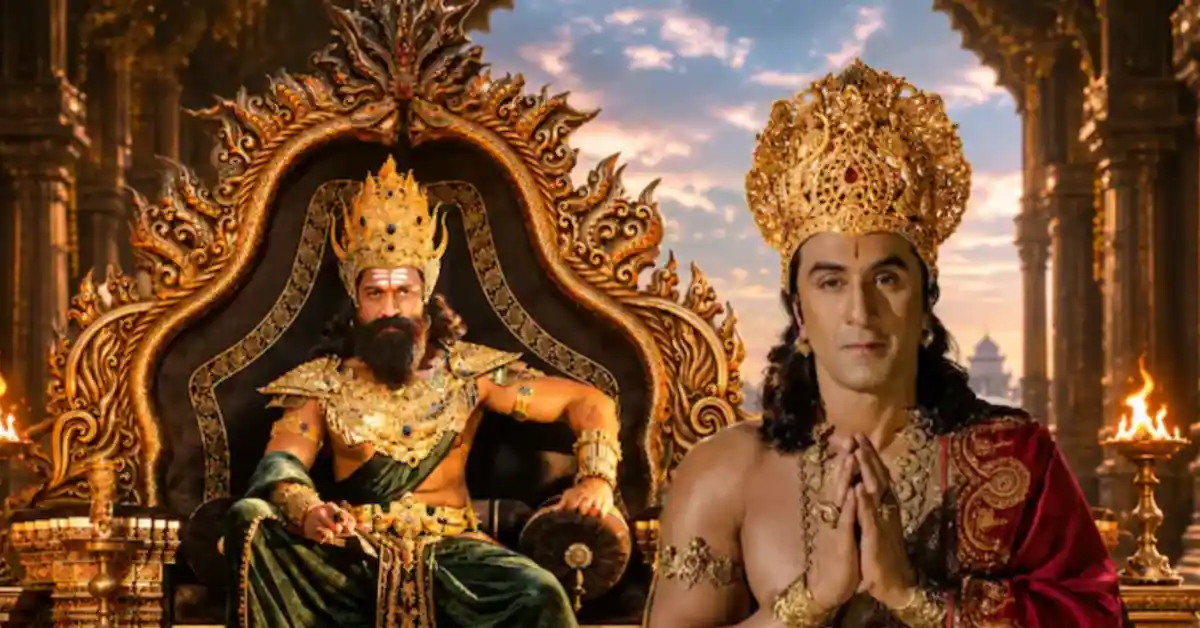

Nitesh Tiwari’s Ramayana Part 1 arrived in theatres on November 5, 2026, and while the film has drawn praise for its scale and performances, a sharp question has split viewers online: does the movie give Ravana more depth and dignity than Rama himself? The debate has grown loud enough that even the film’s own cast and crew are being pulled into the conversation, with comments from the Los Angeles premiere adding fresh fuel to an already heated argument.
A Divided Internet: ‘Perfect Casting’ vs. ‘Glorification’
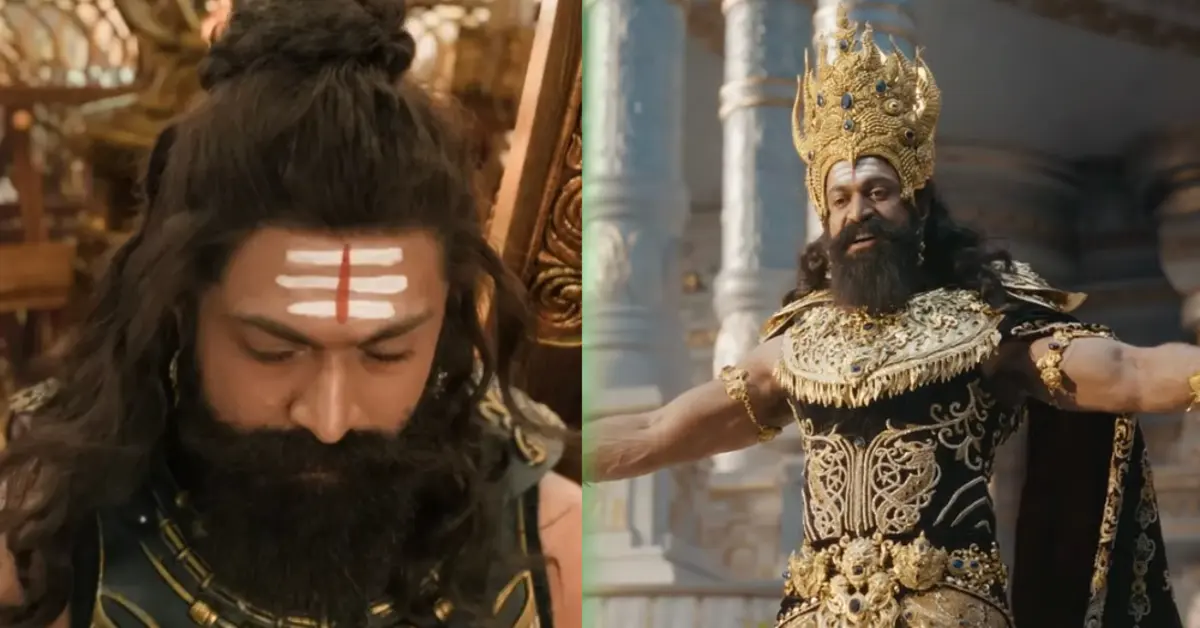
Social media reactions to Yash’s Ravana have been sharply split. Supporters have called the Kannada star’s Hindi debut a “perfect casting” choice, praising his commanding screen presence and the way he carries the weight of the ten-headed king.
“For the first time, I couldn’t find Rocking Star Yash in a #Yash movie. There was only the performer Yash visible.”
The other side has been far less forgiving. Posts on X accused the film of “total Ravana glorification” and argued that the character of Ravana completely overshadowed Ranbir Kapoor’s Rama. One widely shared comment claimed the film was “misleading an entire generation through the glorification of Ravana,” calling the portrayal “anti-Hindu” and “adharmic.”
A more measured version of that criticism appeared in India Today, which noted that the film’s Ravana receives a full origin story—his clan’s persecution, his penance, his rise to power—while Rama’s defining moments feel “hurried.” The review argued that Ravana is given room to be a ruler, warrior, devotee, and a deeply flawed individual, while Rama remains a more static figure of virtue.
What the Film Actually Does With Ravana
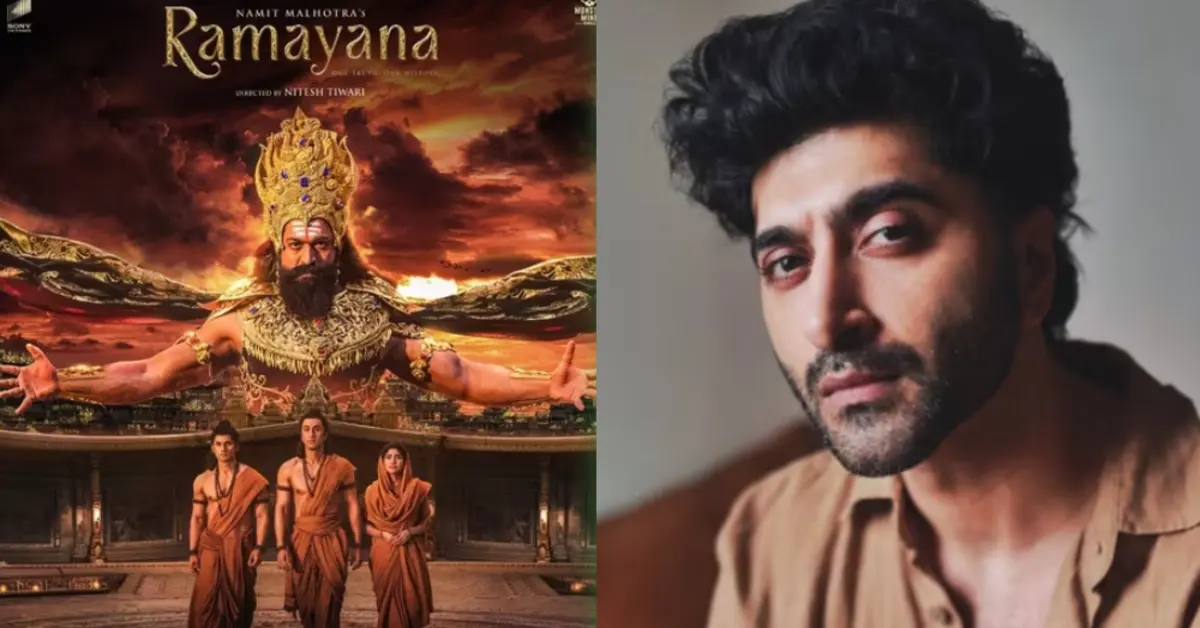
Director Nitesh Tiwari signalled his intention months before release. At the film’s teaser launch, he explained that Ravana would not be framed as a one-dimensional villain but as a “benevolent and complex king.”
“He was a great warrior, an accomplished musician, a scholar, a benevolent king and a devoted follower of Shiva. There was so much to him than just being a black character.”
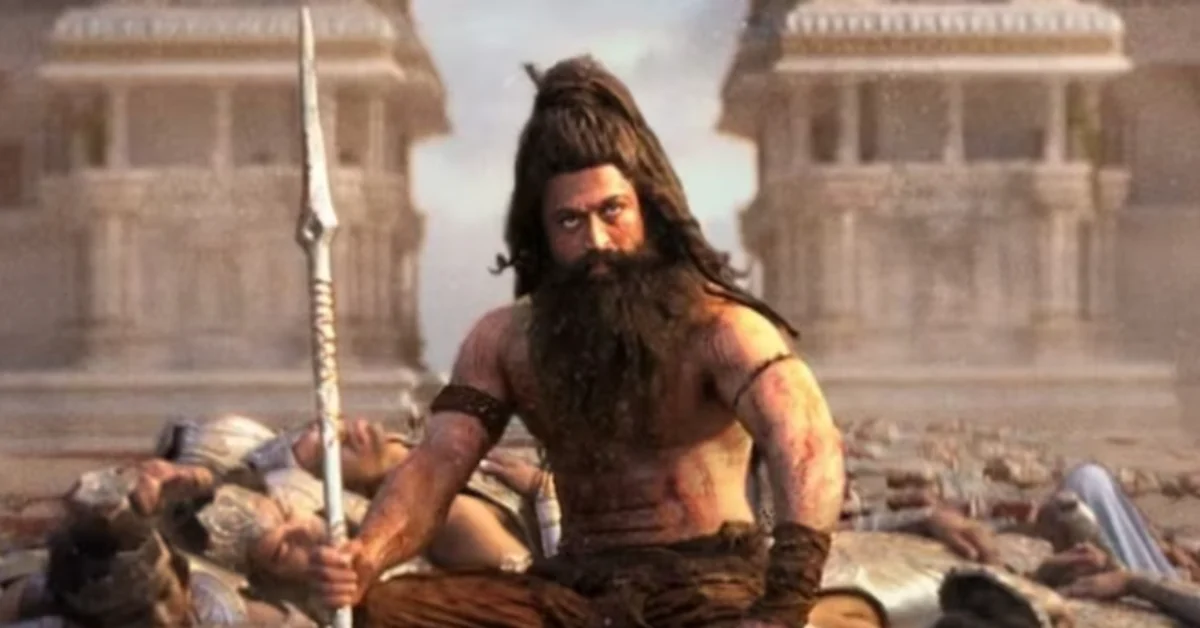
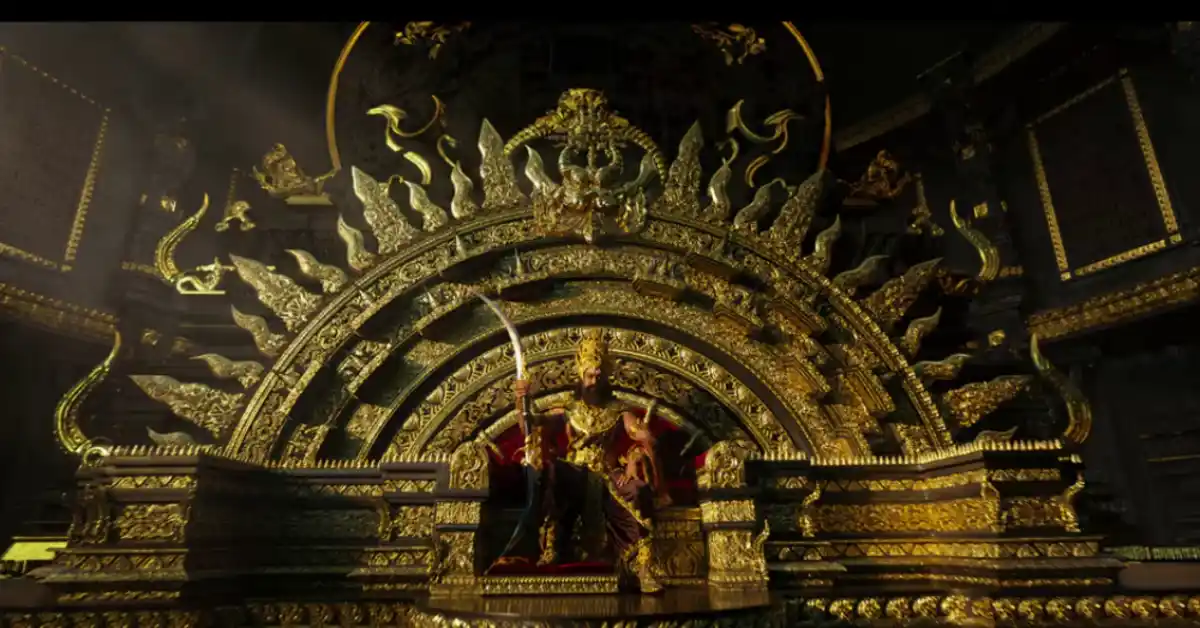
The finished film follows through on that promise. Ravana’s introduction traces his early life as Dashanan, a young man shaped by poverty and displacement, who performs penance to obtain boons and takes the throne of Lanka by force. His ten heads are reimagined as nine competing inner voices, giving Yash room to play multiple sides of the same personality—devotee, tyrant, strategist, and wounded ego.
Critically, the film does not turn him into a misunderstood hero. Ravana kills Vidyutjihva, the husband of his sister Surpanakha, over a personal slight, a moment that India Today described as proof that “a man who murders a family member over bruised pride is not a revolutionary. He’s a tyrant with a grievance.”
The Rama Problem: A Hero in His Own Story?
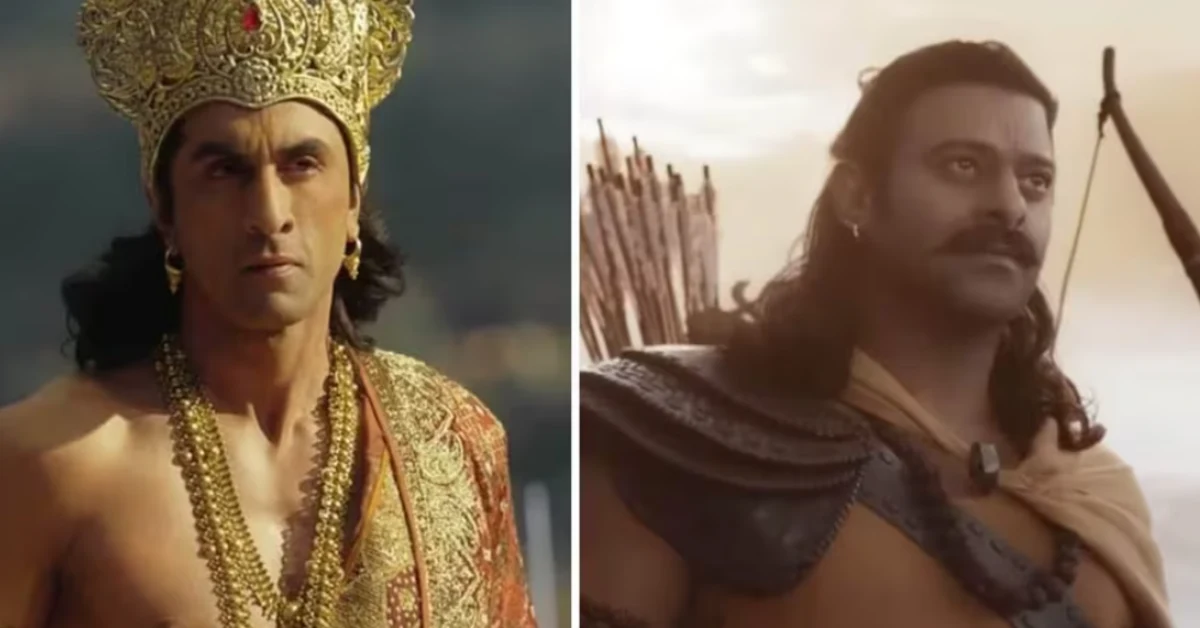
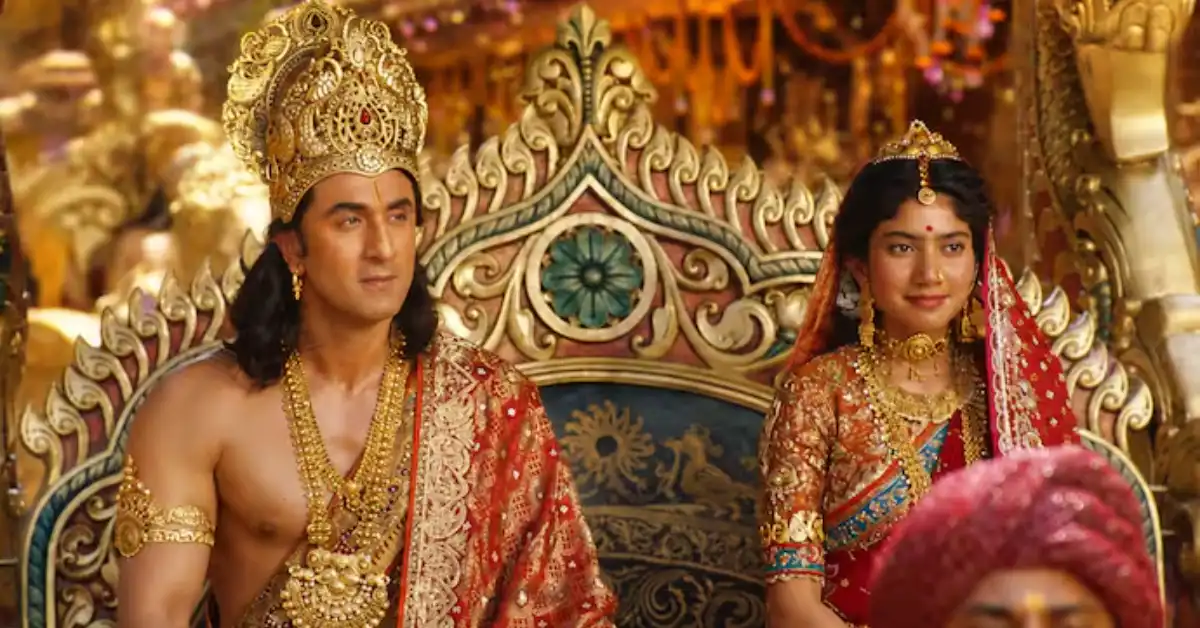
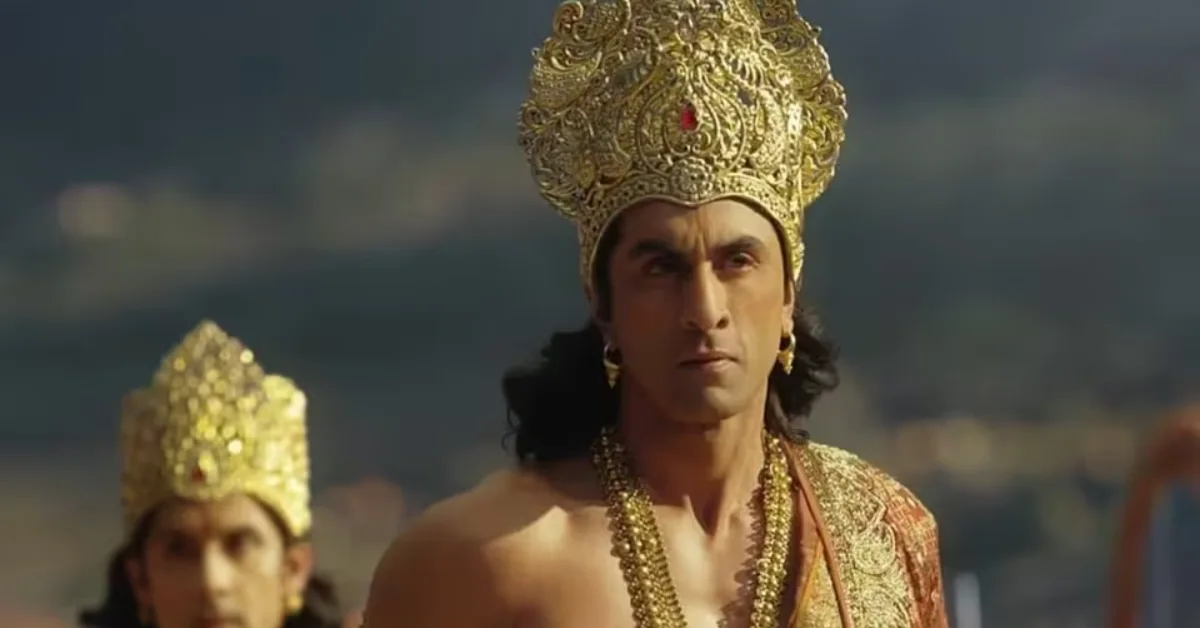
The heart of the discomfort is not that Ravana is evil—it is that he is interesting. Reviews across outlets have noted that Rama, played by Ranbir Kapoor, struggles to match the dramatic weight of his antagonist.
The Hindu wrote that Yash “dominates the first part” and that the film’s decision to establish Ravana’s staggering power early on makes Rama’s own defining moments—lifting Shiva’s bow, accepting exile—feel “a bit hurried.” Indian Express noted that the Ayodhya sections lose momentum, with characters who are “not allowed the same level of complexity” as the film’s villain. Variety India observed that Ranbir Kapoor “takes a little time to settle into the film,” even as it praised Sai Pallavi’s Sita for being given a completeness and strength that previous adaptations often denied her.
The imbalance has real consequences for how audiences read the film’s moral universe. When the antagonist is given a full interior life and the hero is presented as an already-formed symbol of virtue, the story risks feeling like it belongs to the wrong character—a point made bluntly by one X user who said the film should have been called Ravana, not Ramayana.
Sai Pallavi’s ‘Not All Bad’ Comment Adds Fuel
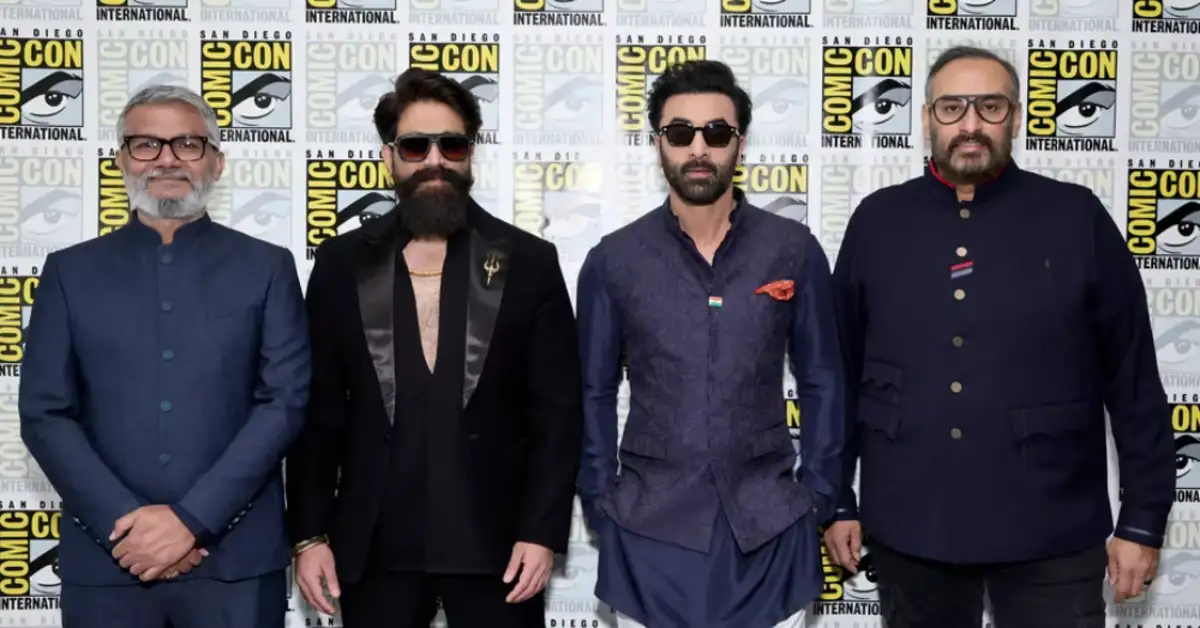
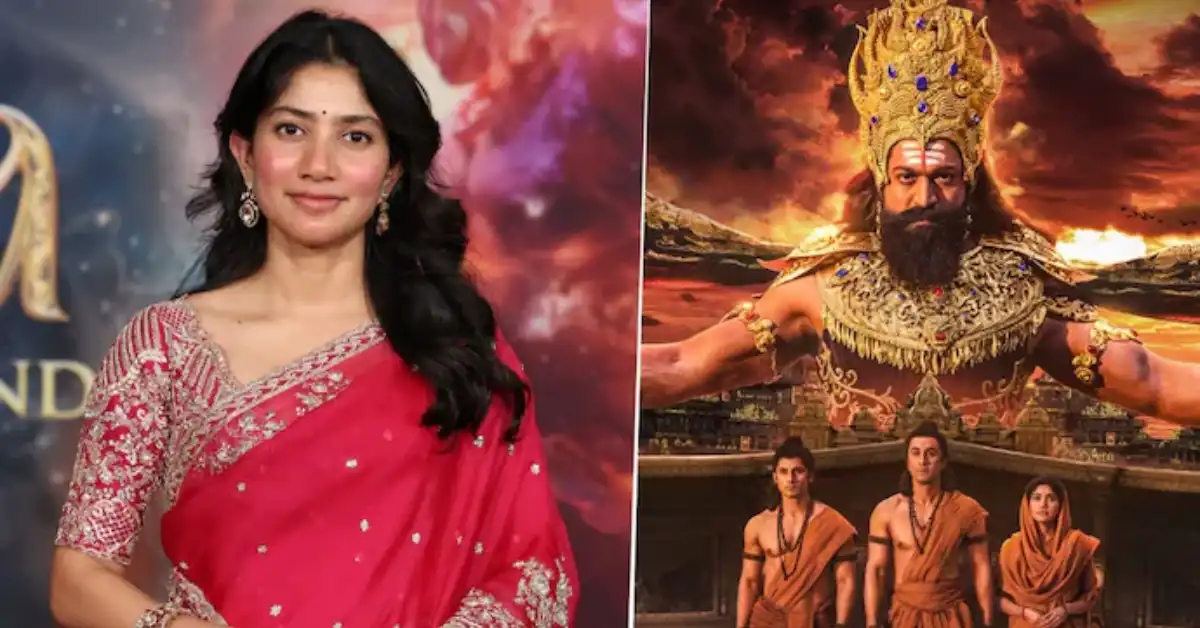
The debate found a second flashpoint at the Los Angeles premiere in late October 2026. Sai Pallavi, who plays Sita, told international media that Ravana was “not all bad” and that the epic invites believers to reflect on the good and evil within themselves.
“As scripture, if you are a believer, you will see and try to introspect what is the good and bad that exists in you, because Ravana is not all bad. It is important that we spot Ravana in us, and we make changes over time.”
Her remark drew immediate pushback. One X user wrote, “A woman praising her abductor.” Another asked, “In what way is he not bad? Like, he literally kidnapped her, made her life hell, and showed her no respect.” Defenders argued that she was speaking about moral introspection, not justifying Ravana’s actions, with one user noting, “People want controversy over everything.”
The episode exposed how tightly the film’s portrayal of Ravana is bound to the question of Sita’s abduction. Giving the antagonist complexity is one thing; having the actress who plays his captive call him “not all bad” lands differently for an audience that has grown up watching Ravana’s effigy burn on Dussehra.
A Longer History of the ‘Hero Ravana’ Worry
The current backlash is not new. Actor Puneet Issar, who played Duryodhana in the 1980s Mahabharat series, raised the same concern weeks before the film’s release. He questioned why certain stage and screen adaptations were turning Ravana into the hero while reducing Rama to what he called a “mute character.”
“If you make Ravana the hero, then what is Lord Rama?”
Issar’s objection points to a deeper anxiety: that in the effort to make mythology feel modern and psychologically rich, storytellers may end up reversing the moral order the epic is meant to teach. Nitesh Tiwari’s response has been that the film is not reversing anything—it is showing that admirable qualities can coexist with ego and vengeance, and that the downfall is the lesson.
Ravana Was Always More Than a Villain
The argument that the film has “invented” a sympathetic Ravana overlooks how varied the tradition already is. Ravana is worshipped in parts of India—a temple in Kanpur opens once a year on Dussehra to honour him, and villages in Madhya Pradesh and elsewhere refuse to burn his effigy. Scholars point out that Valmiki’s Ramayana does not present Rama as divine in the later sense; he is Purushottama, the exemplary man, while Ravana is a learned scholar, a Shiva devotee, a veena player, and the author of texts on medicine and astrology.
In that light, the film’s choice to give Ravana a textured backstory is less a radical rewrite and more a return to a strand of the tradition that popular retellings often flatten. The unease comes from the screen time and emotional investment allotted to that strand—and from the feeling that Rama has been left holding the moral high ground without the same narrative care.
Related Stories

What the Box Office Says
Ramayana Part 1 opened to ₹64.85 crore nett in India on day one, with a worldwide gross of ₹77.50 crore, according to Sacnilk data cited by News18. Advance bookings had crossed ₹130 crore, and overseas presales were nearing $3 million ahead of the opening weekend. Reviews have been mixed-to-positive, with praise for Yash and the film’s visual scale sitting alongside criticism of its uneven character work.
The second part, originally planned for Diwali 2027, has been pushed to Diwali 2028, producer Namit Malhotra confirmed in early November 2026. That delay means the conversation about Ravana’s portrayal will carry into the next film—and likely intensify, since Part 1 ends on a cliffhanger.
Also Read: Ramayana OTT Release: Where to Catch Ranbir Kapoor and Yash’s Epic After Its Theatrical Run
The debate over whether Ramayana glorifies Ravana is really a debate about what a mythological adaptation owes its audience: fidelity to the emotional shape of the epic, or freedom to make its antagonists feel as real as its heroes. Nitesh Tiwari’s film has chosen the latter, and the internet has not finished arguing about whether that choice is a correction or a betrayal. For more on the films and performances driving this conversation, keep reading VvipTimes.




















Leave a Reply