

For years, superhero stories on television followed a simple pattern of good versus evil. Recently, a new wave of shows has broken this mold, focusing on deeper feelings, flawed personalities, and innovative storytelling. These series have reshaped the genre by mixing superpowers with complex human drama, proving that heroism is about more than just saving the world.
The Rise of the Complex Hero
Superhero television has evolved from simple good-versus-evil narratives to explore deeper themes and flawed characters. TV allows for slow-burn character development and creative storytelling that movies can’t sustain due to their shorter runtime. This shift has resulted in groundbreaking comic book adaptations that feel more personal and psychologically complex.
Films often focus on spectacle and box office appeal, but TV series are free to experiment with format, tone, and style. They give overlooked characters space to shine in ways that big-budget movies rarely attempt. From dark comedies to emotional family sagas, these shows prove the superhero genre thrives when it’s episodic and character-driven.
Shows That Redefined the Genre
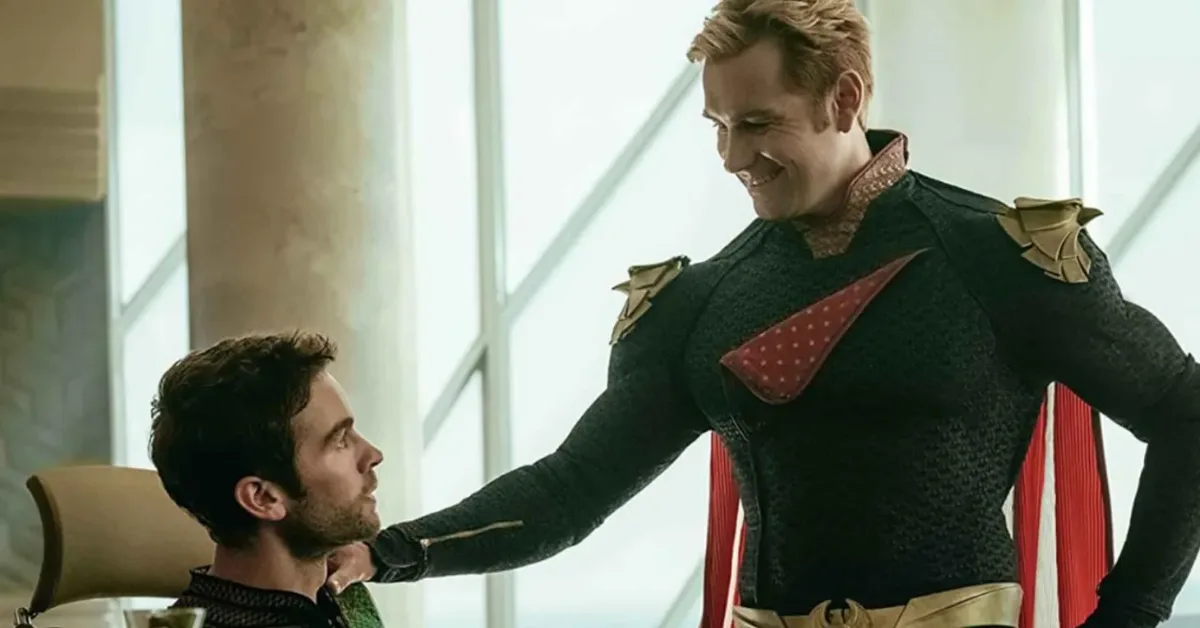
The Boys
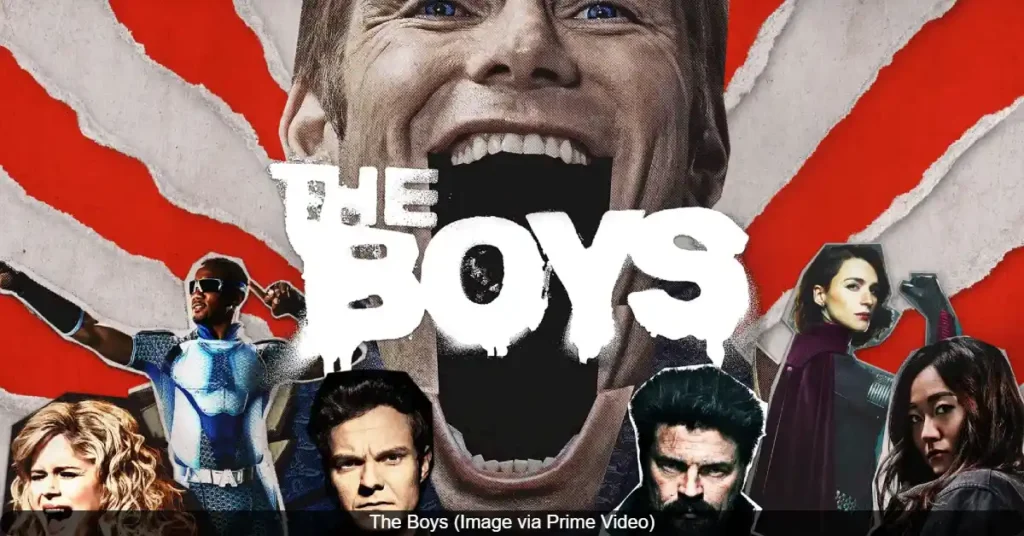
This series presents a world where superheroes are corrupted by corporate greed and fame. The Boys offers a brutal deconstruction of costumed vigilantes and the systems that enable them. Its serialized format allows for slow-burn character arcs that show how power corrupts both individuals and entire institutions. The show uses shocking violence and dark humor to deliver sharp social commentary on political manipulation and celebrity culture, creating a disturbing reflection of modern power structures.
ALSO READ: The Boys Final Season Will Jump Six Months After Gen V’s Events
Daredevil
Netflix’s Daredevil merged the superhero genre with gritty, prestige television. The series gave Matt Murdock room to breathe across multiple episodes, allowing viewers to truly experience the toll of his double life as both lawyer and vigilante. It featured quieter, character-driven moments that films often cut for pacing, and introduced complex antagonists like Kingpin and The Punisher. The grounded, street-level violence and morally gray storytelling created an atmosphere closer to crime dramas than traditional superhero blockbusters.
Watchmen
Set 34 years after the original comics, Watchmen expands on the classic story rather than simply adapting it. The series reckons with America’s history of racism and the trauma it has caused, following Angela Abar, a masked detective known as Sister Night, as she investigates a white supremacist group. The show stands out as a self-contained story in a media landscape that often compels superhero narratives to set up future franchise projects.
Legion
Legion differs from any superhero series before it with surreal storytelling, striking visuals, and disorienting timelines. The show explores mental illness from the perspective of David Haller, a powerful mutant who cannot discern what is real. In an era of formulaic superhero narratives, Legion remains wildly creative and original. The series demonstrates that superhero stories can be abstract, cinematic, and challenge viewers to regard the genre as serious art.
Invincible
Amazon Prime’s Invincible begins like a typical animated hero tale but quickly transforms into a gripping saga about power, morality, and the devastating cost of heroism. The series combines family drama with electrifying fight scenes, posing difficult questions about morality, forgiveness, and the value of human life. Unlike many superhero stories, every fight in Invincible leaves lasting scars, and every decision has significant consequences that reshape entire worlds.
Doom Patrol
Doom Patrol stands as one of the strangest and most emotional superhero series ever created. Each character struggles with trauma, identity, and isolation while battling villains that defy conventional logic. The show uses humor and emotion to tackle issues like mental health and belonging, presenting authentic tales of acceptance rather than focusing on superpowered spectacle. Doom Patrol subtly redefined what it means to be a hero by celebrating imperfection.
Jessica Jones
This series brought gritty, earthy realism to Marvel’s universe. Jessica Jones wasn’t about costumes and flying but instead explored trauma, control, and survival. Krysten Ritter’s performance created an authentic antihero who battles both external villains and internal demons. The show received widespread praise for its mature storytelling and feminist perspective, reminding audiences that strength isn’t always boisterous—it’s sometimes quiet, painful, and very real.
Misfits
This British series stripped away costumes, flashy powers, and blockbuster expectations to deliver something more grounded. Misfits followed young offenders who gained strange powers after a bizarre electrical storm during their community service. Instead of noble saviors, the show explored ordinary, messy people trying to figure out life with superhuman abilities. The episodic format allowed space to explore personal struggles, social commentary, and moral ambiguity in ways movies rarely manage.
Peacemaker
James Gunn’s Peacemaker defied expectations by transforming a violent antihero into a humorous, sentimental character. John Cena brought unexpected heart to a man trying to become better, blending absurd humor with profound concepts about guilt, redemption, and toxic masculinity. The series evolved from a raucous superhero comedy into a dysfunctional family drama wrapped in explosions and an unforgettable rock soundtrack.

The Umbrella Academy
This series changed the concept of a superhero team with its blend of family drama, dark humor, and time travel chaos. The Umbrella Academy features superpowered siblings whose personal struggles form the heart of the series. The show is notable for its original style, emotional depth, and music-based storytelling, showing that even messed-up families can save the world, though never quietly.
WandaVision
Marvel’s WandaVision took full advantage of episodic storytelling by reimagining a different era of sitcom history each episode. The changing aesthetics and technologies reflected Wanda’s grief and fractured reality, creating a gradual unraveling that a movie could never capture. More than a superhero battle, the series became a meditation on grief, trauma, and the lengths people go to hold onto love, blending experimental structure with heartfelt storytelling.
The New Standard for Superhero Stories
These revolutionary shows have moved beyond predictable formulas, bringing new perspectives, stronger emotional depth, and bolder storytelling. They explore more than just battles and uniforms, focusing instead on character development and complex themes. As the superhero genre continues to evolve, these series demonstrate that true heroism involves being brave, maturing through experiences, and making difficult choices that reveal our true selves.
Also Read: 11 Things to Know Before Watching TRON: Ares