

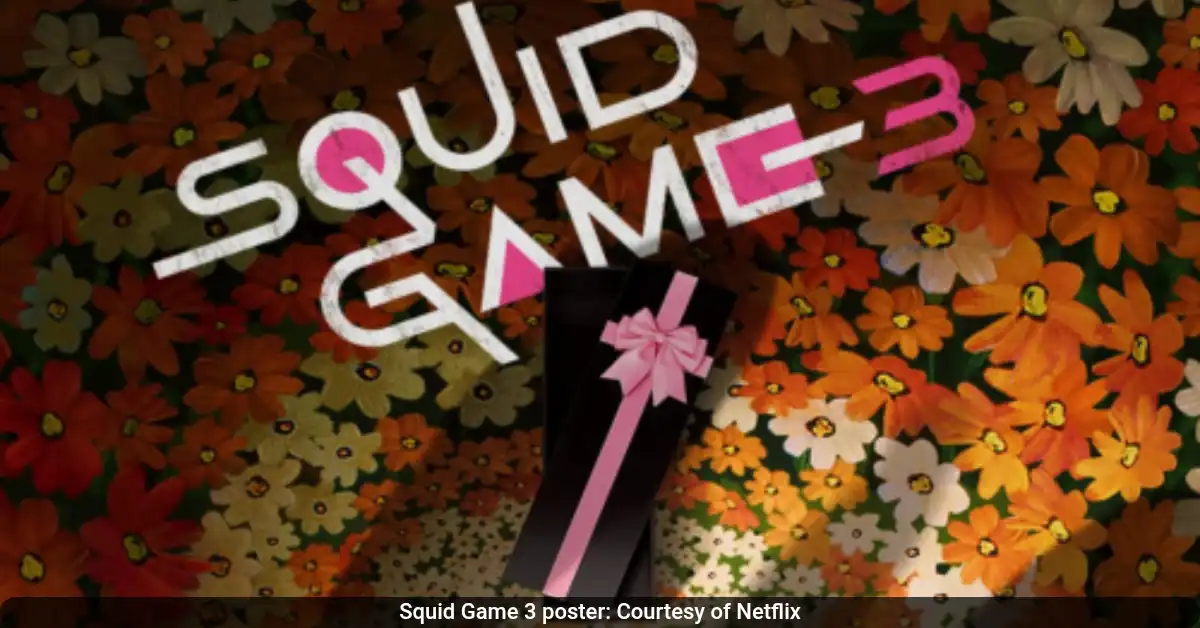
Netflix’s global phenomenon Squid Game carries official content ratings of 15+ in the UK and “Mature” (17+) in the U.S., with experts and educators strongly advising that the series is unsuitable for children and younger teenagers due to its intense, graphic violent content and mature themes.
Multiple schools have reported children as young as six attempting to reenact games from the show on playgrounds, prompting official warnings to parents about monitoring their children’s viewing habits and online activity. The series, which concluded its third and final season in June 2025, features consistent and severe depictions of violence, sexual content, and psychological distress across all its episodes.
Understanding Official Ratings and Content Descriptors
Squid Game is not classified as family-friendly entertainment by any standard rating system. On Netflix, the series carries a “Mature” rating, indicating it is intended for viewers aged 17 and older. In the United Kingdom, it is formally rated 15. These ratings correspond to detailed content warnings that appear before episodes, which include:
- Violence
- Sex
- Suicide
- Strong Language
- Nudity
- Substance Use
Independent review aggregator Common Sense Media, which provides age-based media recommendations for families, notes that the show is “extremely violent and very weak on positive messages or positive role models,” further supporting the official age restrictions.
A Detailed Breakdown of Mature Content
To make an informed decision, parents should understand the specific nature of the content across the show’s three seasons.
Graphic Violence and Gore
The most pervasive and intense element of Squid Game is its violence. The central premise involves contestants being executed for losing children’s games. This results in frequent and graphic scenes of:
- Mass shootings and stabbings with clear blood spray and injury detail.
- Characters falling from great heights during games like Glass Stepping Stones.
- Brutal physical beatings during riots and conflicts between players.
- A psychological expert from the Child Mind Institute describes it as a “murder fest” with a horrifying level of violence that is “more than most shows”.
Sexual Content and Nudity
The series includes several scenes of a sexual nature, which are inappropriate for younger viewers:
- A visible sex scene with breast nudity in Season 1.
- Scenes featuring full back nudity and breasts covered only in body paint.
- Dialogue containing threats of sexual violence, including a disturbing reference to necrophilia by a soldier.
Strong Language and Substance Use
The dialogue is laden with frequent, strong profanity. According to crowd-sourced data on IMDb, Season 1 contains 25 uses of the F-word, and subsequent seasons feature even stronger language, including uses of “cocksucker” and “cunt”.
Substance use is also depicted, including recreational use of unspecified pills, alcohol, and tobacco.
Disturbing Psychological Themes
Beyond visual content, the show explores deeply unsettling themes that can be distressing or confusing for young minds:
- Graphic Depictions of Suicide: The show includes explicit suicide scenes that, according to pediatric psychologist Dr. Meghan Walls, “go majorly against media reporting guidelines” and pose a real risk of “suicide contagion” for vulnerable viewers.
- Addiction and Desperation: The protagonist’s severe gambling addiction and his theft from family members portray the destructive cycle of compulsive behavior.
- Moral Corruption and Hopelessness: The narrative constantly places characters in ethical dilemmas where they must choose between their own survival and the lives of others, often in a context with no positive outcome. As psychologist Andrew Fontal notes, younger children are not cognitively equipped to process this information and may develop distorted views of social interactions.
The Real-World Risk: Playground Imitation and Online Exposure
A significant concern reported by schools in the UK and elsewhere is children imitating the games without understanding their deadly context in the show. Pupils have been seen:
- Playing “Red Light, Green Light” and physically punishing the “loser,” substituting violence for the fictional execution.
- Discussing and attempting to recreate other challenges, which could lead to accidental physical harm.
Children are often exposed to this content indirectly. Squid Game‘s imagery and themes are prevalent on social media platforms like TikTok and YouTube, and even in games on Roblox and Fortnite. Animated or modified clips may remove some of the gore but not the core violent concepts. One parent reported a violent scene from the show appearing as an advertisement in the middle of a child’s ballet video on YouTube.
Expert Guidance for Parents
Given the show’s popularity, experts agree that a straightforward ban may not be effective for all ages. Instead, they offer layered advice.
For Younger Children (Under 13/14)
The consensus is clear: the show should be blocked entirely. Dr. David Anderson of the Child Mind Institute states no one should watch it “until late adolescence”. Practical steps include:
- Activating parental controls on Netflix and other streaming services.
- Monitoring YouTube and social media use, as clips are widespread.
- Having open conversations if they ask about it. Dr. Anderson suggests explaining the decision by honestly describing the show’s horrifying violence, rather than simply saying “no”.
Related:










For Older Teenagers
If mature teenagers watch the series, experts strongly recommend active parental engagement to mitigate potential harm:
- Watch It Yourself First: Understand exactly what the show contains before making a decision.
- Watch Together or Discuss Actively: If they do watch, view it with them or check in after each episode. Use it as a starting point for conversations about the value of life, class disparity, and managing stress.
- Focus on Their Feelings: Ask how the show makes them feel. “Recurring, unwanted thoughts” or anxiety are clear signs they should stop watching.
- Advise on Timing: Encourage them not to watch late at night, as it can interfere with sleep and next-day performance.
“The level of violence is horrifying — more than most shows. It’s a murder fest with the premise that out of over 400 participants, there can only be one survivor.” — Dr. David Anderson, Head of School and Community Programs at the Child Mind Institute.
The vivid, graphic, and persistent mature content in Squid Game, combined with its pervasive presence in online spaces frequented by children, necessitates proactive and informed parenting. The show’s artistic merit and social commentary are discussions for mature audiences, not for developing minds that lack the context to separate its brutal fiction from reality.
Also Read: The Rookie Season 8 Trailer Out: Chenford’s Future at Risk as the LAPD Goes to Prague