

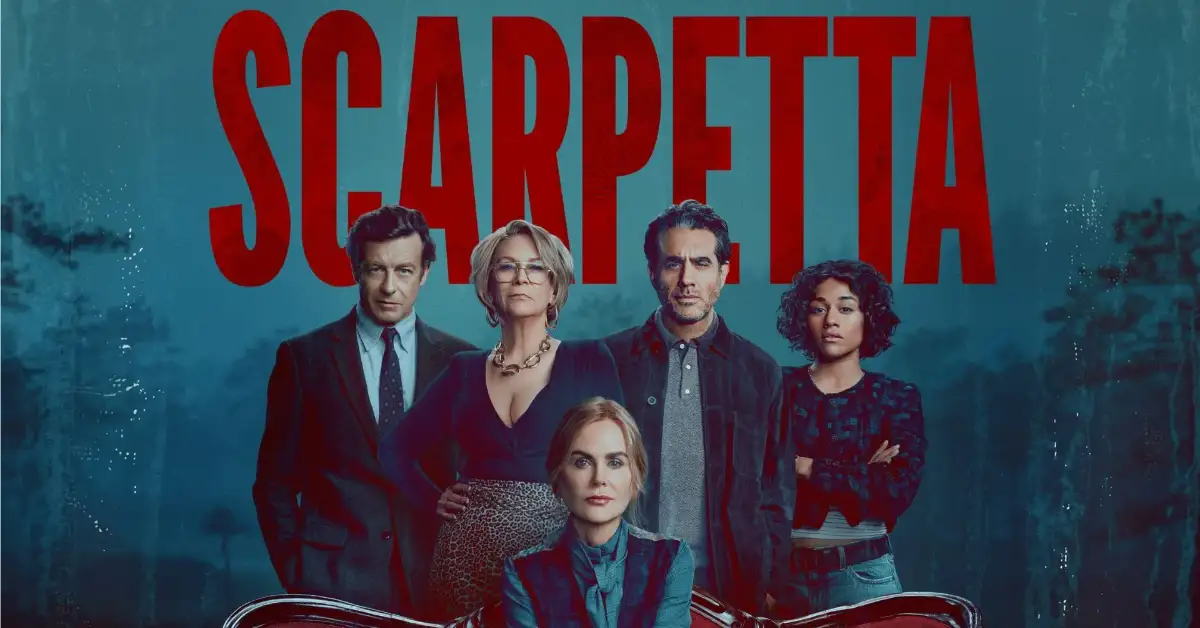
The Prime Video series Scarpetta has viewers talking. But the conversation is not just about the story. People want to know how the dead bodies look so real. From severed hands to detailed autopsy scenes, the show does not hide the gruesome details. Nicole Kidman plays Dr. Kay Scarpetta, a medical examiner who cuts into corpses. The show needed a way to make those moments look believable without being fake.
Director David Gordon Green hired a special team to solve this problem. They did not rely on computer graphics. Instead, they built actual fake human bodies from scratch. The result is a crime thriller that feels disturbingly real. Here is exactly how they did it.
David Gordon Green Built An Entire Team Of Body Designers
Instead of using digital effects for everything, David Gordon Green chose a practical route. He brought in two experts. Christopher Allen Nelson is a special-effects makeup artist who won an Emmy and an Oscar for his work on American Horror Story. Vincent Van Dyke is a prosthetic designer who won an Emmy for Star Trek: Picard. Their job was simple but hard. They had to create dead bodies that could fool the camera.
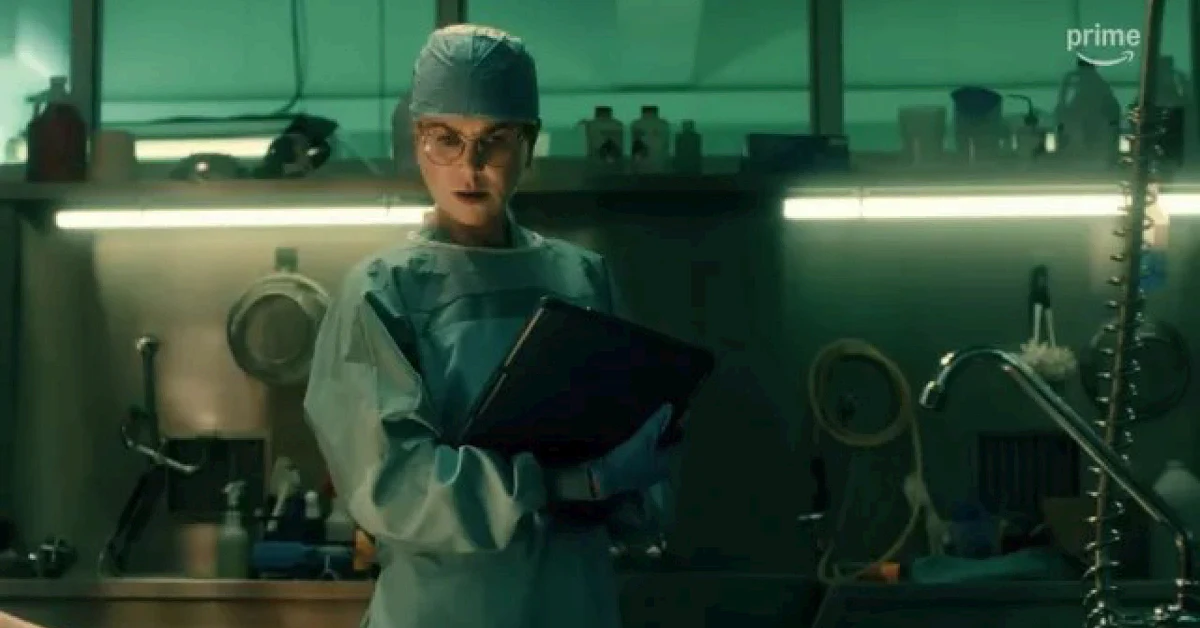
The team at Van Dyke’s studio in Los Angeles built the bodies. They used medical-grade silicone to copy human skin, muscle, and fat. A group of 15 artists worked on each piece. They studied anatomy books and online research to get the details right. The process did not stop at the outside. These fake bodies had internal organs too.
“This special-effects makeup team could build a head-to-toe, lifelike replicant of an actor, and they could also put the internal organs in,” Green said.
He added, “So, when Scarpetta takes a blade to the body, we have the interior that’s just as realistic as the exterior.”
A Real Forensic Doctor Made Sure The Science Was Correct
The fake bodies needed to match real science. So the show hired Dr. Amy Hawes. She is a forensic pathologist with 25 years of experience. She has served as a chief medical examiner in Tennessee. Her job was to read every script and check for accuracy. She also stood on set during filming to guide the actors.
Dr. Hawes taught Nicole Kidman and Rosy McEwen how to make proper incisions. She explained the emotions a real medical examiner feels during an autopsy. She also checked how the fake bodies looked on camera. She noticed that blood looks different on a blue cutting board than on a silicone body. The lighting and colors matter a lot.
“Part of the learning experience for me was the difference between bodies in real life and how they’re seen through the camera,” Dr. Hawes explained.
One Body Was So Hard To Build They Had To Cast The Actress In Pieces
The most difficult body came from the very first episode. The script called for a victim’s body lying by some railroad tracks. The team thought about using the real actress. But the shoot happened outside, at night, in November, in Nashville. The weather was freezing and the ground was dirty. Putting an actress through that was not an option.
So the team decided to build a full dummy. Van Dyke’s team had to cast the actual actress while she lay on her side. They took molds of her arms and head separately. Each piece was made using silicone. Then the artists grafted all the parts back together. The final body had a cut throat and severed hands.
“Her hands have been severed. Her throat has been cut. It’s gruesome, but it was also a beautiful piece of work and art,” Nelson said.
The lighting team used blue, tinted lights and moonlight. That gave the body a ghostly look that worked perfectly for the show.
The Artists Color The Bodies Based On How Long The Person Has Been Dead
Making a fake body is not just about shaping silicone. The artists follow a detailed painting process. They add washes of translucent colors to build up a natural complexion. They punch in real hair for the eyebrows and eyelashes. They also add signs of blood pooling under the skin.
Van Dyke said his team thinks about how long the person has been dead. A fresh body looks different from one that has been outside for days. The amount of skin color change, called lividity, matters. The team also makes sure viewers can recognize the dead body if they saw that same character alive earlier in the episode.
“We take into consideration how long that person’s been deceased. How much lividity is there? If you’ve seen this person earlier in the episode alive, we want to make sure you can recognize the dead body,” Van Dyke said.
The Team Had To Cut Open A Fake Body On Set When The Script Changed
Sometimes things go wrong during filming. The team had built a fake body with gunshot wounds to the chest. But the Y incision on the chest was not made to open. Dr. Hawes said the autopsy scene required the chest to open so Kidman could remove bullets. The team had to fix the problem fast.
Nelson grabbed a razor blade. He sliced the silicone chest and peeled it back to copy real skin peeling. Then he added material to look like muscle tissue. He dressed everything with fake blood. He tucked the pretend bullet slugs inside. Kidman then removed them correctly for the scene. That is how quick thinking saved a major shot.
“It’s not just doing gruesome stuff. It’s designing a postcard for the camera — something that, when you see it, it affects you,” Nelson said.
He added, “A lot of work goes into this stuff, and sometimes you only see a second of it. I always approach it from: What story are we trying to tell? We’re trying to tell a story through visuals.”
Nicole Kidman Was Not Bothered By The Gore Because Of Her Childhood
The fake blood and bodies did not scare Nicole Kidman. She told USA Today that her parents made her watch medical training films when she was a child. That experience removed any fear of blood she might have had. So when it came time to learn how to perform autopsies for the show, she was ready.
“So I don’t have a fear of blood or anything. So when I learned to do the autopsies, say, I was just like, ‘OK, teach me,’” Kidman said.
That attitude helped her work comfortably with the fake bodies. She learned the correct cutting techniques from Dr. Hawes. The combination of a fearless actor and realistic props made the autopsy scenes work.
The Fake Blood Is Made Using Different Methods For Different Scenes
Blood splatter is not a one-size-fits-all effect. Nelson explained that his team uses different methods depending on what the scene needs. Sometimes they thin down fake blood and flick it onto an actor using a paintbrush. That creates small, realistic drops. Other times they use a pressurized pot filled with fake blood. They spray it through a hose to create larger splatters or pooling blood.
Each method creates a different look. The team decides which one fits the crime scene. The goal is always the same. Make the audience believe what they are seeing.
You May Also Like:






All Eight Episodes Of Scarpetta Are Now Streaming
Scarpetta premiered on Prime Video on March 11, 2026. All eight episodes are available to watch now. The show is based on Patricia Cornwell’s bestselling book series. Jamie Lee Curtis, Ariana DeBose, Bobby Cannavale, and Simon Baker also star in the series.
Also Read: Why Jonah Hill Left Los Angeles for a Quiet Life in San Diego with His Family
For more updates on the latest TV series and streaming shows, keep reading VvipTimes, where we break down the stories behind the scenes.



































































Leave a Reply