

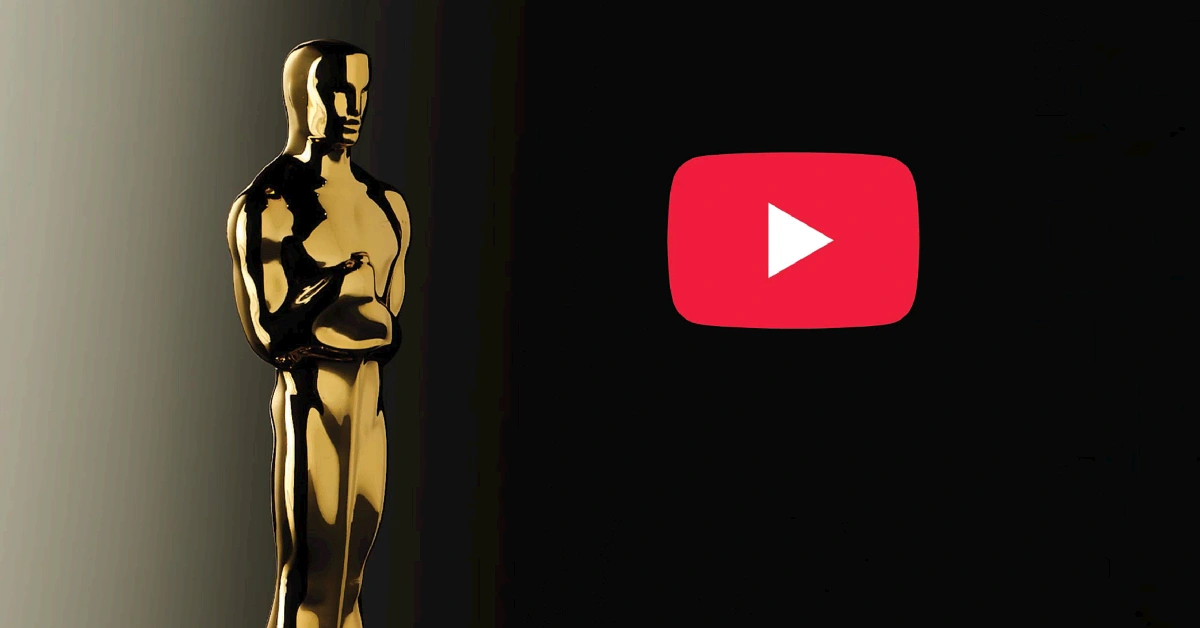
Academy of Motion Picture Arts and Sciences CEO Bill Kramer has defended the decision to move the Oscars broadcast from traditional television to YouTube starting in 2029, saying the shift is not a gamble but a necessary step for the future of the awards show. Speaking at the Zurich Film Festival Summit on Saturday, September 26, 2026, Kramer addressed the question directly during a panel discussion titled “The Theatrical Box Office Resurgence! How to Get Audiences’ Attention in the Era of Social Media and Online Platforms?”
When asked by Deadline’s Andreas Wiseman whether the move felt risky, Kramer gave a clear answer.
“Not at all. It almost feels risky to not do it because we’re looking at the future, and the deal starts in [20]29, so that’s our 101st Oscars,” Kramer said. “And with each month, a larger percentage of the TV-watching audience is on YouTube, and those numbers are increasing. So I don’t think it’s a risk.”
The comment has drawn attention across the entertainment industry, as it marks one of the clearest explanations yet from the Academy’s leadership about why the organization chose to leave ABC after more than five decades.
What the YouTube Deal Means for the Oscars
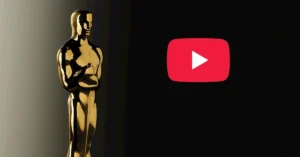
The Academy of Motion Picture Arts and Sciences and YouTube signed a multi-year agreement in December 2025 that gives YouTube exclusive global rights to the Oscars beginning with the 101st Academy Awards ceremony in 2029 and running through 2033.
Under the deal, the Oscars ceremony will be available to watch live and for free on YouTube for audiences around the world. In the United States, viewers can also watch through YouTube TV. The agreement covers not just the main ceremony but also red carpet coverage, behind-the-scenes content, and access to the Governors Ball.
The partnership extends beyond the annual awards night. Other Academy events and programs will also move to the Oscars YouTube channel, including the Governors Awards, the Oscars Nominations Announcement, the Oscars Nominees Luncheon, the Student Academy Awards, the Scientific and Technical Awards, filmmaker interviews, film education programs, and podcasts.
Google Arts & Culture will also help digitize components of the Academy Collection, which holds more than 52 million film-related items, and provide digital access to select Academy Museum exhibitions.
Why the Academy Chose YouTube Over Traditional TV
Kramer explained that the decision was driven by the Academy’s growing focus on global reach. More people outside the United States now watch the Oscars than inside the country, and YouTube offers a way to connect with that international audience more directly.
“As we become more global as an organization, the best way for us to reach a global audience of film lovers, film fans, [and] young artists is YouTube,” Kramer said at the Zurich summit.
He added that YouTube gives the Academy more control over how it engages with viewers, something that is not possible under a traditional broadcast model.
“It gives the Academy more control in engaging with fandom and film lovers and film fans and viewers of the Oscars,” he said. “Right now more people outside of the U.S. watch the Oscars than in the U.S., and this allows us to capture that audience a lot more.”
The deal will also make the ceremony accessible in more languages. YouTube will provide closed captioning and audio tracks in multiple languages, helping the Academy reach viewers in different regions without relying on local broadcasters for translation.
Kramer pointed out that YouTube already commands a large share of television viewing time in the United States. According to Nielsen data, YouTube accounts for 13 percent of all television viewing time in the country, the largest share of any streaming service, ahead of Netflix at 8 percent.
ABC’s Long Run Comes to an End
The Oscars have aired on ABC in the United States since 1976. The network’s current deal runs through the 100th Oscars ceremony in 2028. After that, the ceremony will move exclusively to YouTube.
ABC had been paying about $100 million per year for the broadcast rights and generated roughly $140 million annually from ad sales, a portion of which was shared with the Academy. As ratings declined, ABC increased the number of ads during the telecast. The network had started talks for a new contract but hesitated at the Academy’s request for a higher fee, believing a reduction was more appropriate given the falling viewership numbers.
The Academy relies on the Oscars for roughly 60 percent of its annual revenue. The organization accepted a smaller rights fee from YouTube than ABC was paying, but believed other aspects of the agreement added value, including year-round programming opportunities and greater control over sponsorships.
Oscars Viewership Trends and the Case for Change
Oscars viewership has fallen significantly over the past decade. In 2016, when ABC and the Academy last renewed their partnership, the telecast attracted 34.4 million viewers. By 2025, that number had dropped to 19.7 million. The 2021 ceremony, held during the Covid-19 pandemic, hit a record low of 10.4 million viewers. The all-time peak came in 1998 with 57 million viewers.
The 2026 ceremony saw another decline, with approximately 17.9 million viewers across ABC and Hulu, a 9 percent drop from the previous year and the lowest since 2022. Other major awards shows, including the Golden Globes and the Grammy Awards, have experienced similar audience declines.
Despite these trends, the Oscars still command the highest advertising spend of any live entertainment event, ahead of the Grammys, the Emmys, and the Macy’s Thanksgiving Day Parade, according to advertising data firm Guideline.
You May Also Like:






What Viewers Can Expect from the YouTube Era
Kramer said the move will allow the Academy to create a different kind of Oscars experience. The partnership with YouTube is expected to bring more interactive elements, including creator-led co-streams and alternative viewing angles, reflecting how younger audiences consume live events on digital platforms.
The ceremony itself may also change. On ABC, the broadcast was limited to three hours due to other programming. On YouTube, the ceremony will not face that same constraint.
Kramer has previously described the future Oscars as “a very different-looking” show that allows viewers to engage with the event in more interactive ways. The Academy is already in discussions with YouTube CEO Neal Mohan and his team about the production details for 2029.
Disney ABC will continue to broadcast the Oscars through the 100th ceremony in 2028, and the international partnership with Disney’s Buena Vista International will remain in place until then.
Also Read: Farah Khan Reacts Hilariously to Being Called the Number One YouTuber in Saba Ibrahims Vlog
Stay tuned to VvipTimes for more updates on the Oscars, the Academy’s plans for 2029, and the biggest changes shaping the entertainment industry.






























































Leave a Reply