

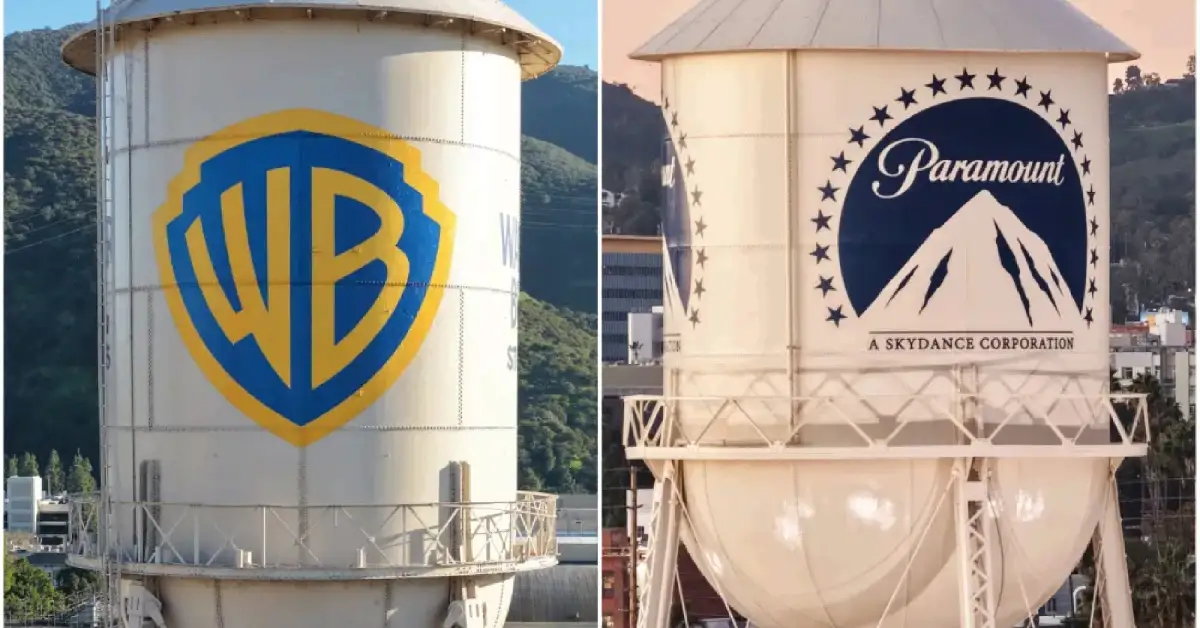
The United States Department of Justice has officially approved Paramount Skydance Corporation‘s massive acquisition of Warner Bros Discovery, clearing a major regulatory hurdle for a deal that will completely reshape the American entertainment industry.
After an intense eight-month investigation, the DOJ announced its decision on June 12, 2026, concluding that the roughly $111 billion merger is unlikely to harm competition or American consumers. The approval comes as a major win for David Ellison, the CEO of Paramount and son of Oracle co-founder Larry Ellison, a known ally of former President Donald Trump.
But while the federal government has signed off, the fight is far from over. Here is everything you need to know about the deal and what it means for the movies you watch and the streaming services you pay for.
The Giant New Player in Town
The DOJ’s green light means that two of Hollywood’s “Big Five” studios are now allowed to join forces. Paramount already owns Paramount Pictures, CBS, Nickelodeon, and the streaming service Paramount+. By acquiring Warner Bros Discovery, they will add Warner Bros Pictures, CNN, HBO, DC Studios, and the HBO Max streaming service (often called Max) to their portfolio.
The DOJ’s antitrust division reviewed over 2 million documents and took testimony from industry leaders before deciding that the deal would not stifle competition. In fact, the department argued that the merger would likely increase competition across the media landscape.
“The extensive investigatory record reviewed by the Division suggests that the impact of the transaction will be to increase competition across the media and entertainment ecosystem, with benefits for American consumers and workers.”
Regulators found no evidence that the deal would harm the traditional television business or the theatrical movie market. Instead, they believe combining these two studios is necessary to compete with the massive technology companies that now dominate entertainment, such as Netflix, Amazon, Apple, and YouTube.
Why was the Paramount Warner Bros Merger Approved by DOJ
The decision was purely based on antitrust law. Officials concluded that the merger is “pro-competitive,” meaning it helps create a stronger rival to the tech giants who currently control the streaming market.
However, the approval was clouded by political controversy. Since David Ellison’s father, Larry, is a major donor to President Trump, critics like Senator Elizabeth Warren have called the deal “terrible news for every American who doesn’t want Trump-aligned billionaires to control what they watch.”
Despite these concerns, Assistant Attorney General Omeed Assefi stated that politics played “absolutely not” any role in the review, and the investigation was led by career employees rather than Trump appointees.
What Happens to HBO Max and Paramount+?
One of the biggest changes for everyday viewers will be the streaming landscape. The merged company will control both Paramount+ and Max (formerly HBO Max). Executives have already indicated that they plan to combine these two services into a single, massive streaming platform.
Currently, HBO Max is known for prestige hits like The White Lotus, The Last of Us, and the Harry Potter franchise, while Paramount+ is home to Yellowstone, Star Trek, and live sports like the NFL. A combined platform would create a legitimate “super streamer” to challenge Netflix and Disney+.
David Ellison has pledged that “HBO will stay HBO,” suggesting the brand will retain its identity even if the app interface changes. The goal is to scale up to compete for subscribers in a market where YouTube currently dominates TV viewing time.
The Fight Isn’t Over Yet
While the DOJ has given its blessing, the merger is not a done deal. A coalition of state attorneys general, led by California’s Rob Bonta, is still investigating the merger and could file a lawsuit to block it. Bonta has stated that the merger “remains an active investigation” by his office, warning that consolidation could lead to “increased unaffordability, a loss of good-paying job opportunities and fewer choices for consumers.”
Internationally, regulators are also taking a hard look. The European Commission has set a tentative deadline of July 7 for its review, and the UK’s Competition and Markets Authority is aiming for an early August decision.
If the deal falls apart due to regulatory issues, Paramount has agreed to pay a massive $7 billion termination fee to Warner Bros.
Related:




Hollywood Is Terrified of Layoffs
The announcement has sparked fear among workers in Los Angeles. Industry professionals are bracing for a “bloodbath” of layoffs. Paramount has already confirmed plans to cut $6 billion in costs through “synergies”—which is corporate speak for eliminating overlapping jobs.
More than 1,400 actors, directors, and filmmakers signed an open letter opposing the merger. Jane Fonda was among the leaders of the opposition, warning that the deal would shrink competition “at a moment when our industries and the audiences we serve can least afford it.”
The International Brotherhood of Teamsters, representing 1.3 million members, has also formally opposed the merger, claiming it threatens nearly 15,000 motion picture jobs.
Despite the backlash, David Ellison has vowed to keep Paramount Pictures and Warner Bros as standalone movie studios, promising to release a combined 30 movies a year in theaters.
Also Read: Colors of Evil: Black Ending Breakdown: The Town’s Mask Slips to Reveal a Generational Rot
Stay updated with the latest breaking news and exclusive stories from Hollywood only on VvipTimes.













































































Leave a Reply