


Netflix built its name on creating shows that people could not stop watching. The streaming service changed how the world watches television with its binge-release model. But now, a troubling pattern is showing up in the numbers. Many of Netflix’s most popular original series are losing more than 50% of their season 1 audience when new seasons arrive. A recent report from Bloomberg has brought this issue into the spotlight. The data shows that even some of the biggest hits on the platform are struggling to keep viewers around for season 2. This problem has become so serious that Netflix is now studying its own data to figure out why people are leaving. The company’s stock has also fallen about 40% over the past year, which puts even more pressure on executives to find answers.
Hit Shows Are Dropping Viewers by Large Numbers
The numbers tell a clear story. Several of Netflix’s most successful shows have seen major drops in viewership when new seasons come out. One Piece, which was one of Netflix’s most-watched shows in 2023, lost more than 30% of its audience for season 2. The Night Agent did even worse. The thriller series lost 50% of its viewers for season 2 and then lost another 35% for season 3. The comedy-drama Beef had the biggest drop. After winning Emmys for its first season, the show lost a huge 70% of its audience when it came back in April 2026.
Avatar: The Last Airbender, another major Netflix title from 2024, dropped more than 60% of its season 1 viewers in just the first week of season 2. Other shows are facing similar problems. Running Point and The Four Seasons both lost over 50% of their audiences for season 2. A Good Girl’s Guide to Murder had one of the worst drops at 80% when it returned two years after the first season. These are not small shows. These are the titles that Netflix spent millions of dollars to produce and promote.
Long Waits Between Seasons Drive Viewers Away
One of the biggest reasons viewers are not coming back is the long wait between seasons. Fans have been saying this for years. When a show takes two or three years to return, people simply forget about it. Beef took three years between season 1 and season 2. One Piece also had a three-year gap. Avatar: The Last Airbender fans had to wait two years for more episodes. By the time these shows come back, viewers have moved on to other things. They have found new shows on other platforms. They have forgotten the plot details and character names. Many people said they want to watch the new season but cannot remember what happened before.
The problem is worse for comedies. According to data from What’s On Netflix, comedy series struggle even more to keep viewers between seasons. A Man on the Inside dropped 66%. Tires dropped 26%. Nobody Wants This had a 16% drop. These shows do not have the same kind of loyal following that drama or fantasy series often build. When they take too long to return, the audience just does not come back.
Competition From Other Platforms Is Getting Stronger
Netflix is no longer the only game in town. Apple TV, Amazon Prime Video, and Disney+ are all putting out high-quality content on a regular basis. Amazon Prime Video has been especially active. The platform has built a strong library of young adult titles like The Summer I Turned Pretty, Off Campus, Maxton Hall, and Every Summer After. These shows have gained large followings, and fans are already waiting for their next seasons. When Netflix takes years to bring back a show, viewers have plenty of other options to fill that time.
The streaming landscape has changed completely. Netflix is no longer competing with traditional TV the way it used to. Today, the competition includes TikTok, YouTube, and other short-form video platforms. According to a report from Digital i, YouTube surpassed Netflix in average daily viewing for the first time in 2025. People now spend just as much time scrolling through short videos as they do watching streaming content. This shift in viewing habits makes it harder for any streaming show to keep people’s attention over long periods.
The Binge Model May Be Working Against Netflix
Netflix invented binge-watching. The company changed television by releasing entire seasons at once. This worked well when Netflix was competing with cable TV. Viewers loved being able to watch everything in one weekend. But now, that model might be causing problems. When a show drops all at once, it gets one big weekend of attention and then disappears. There is no weekly conversation to keep the show in people’s minds for months. Traditional TV shows and some streaming competitors release episodes weekly. This keeps the show in the news and on social media for a longer time. Netflix’s binge model makes it hard for shows to maintain long-term engagement.
Some Netflix shows have tried different approaches. The final season of Stranger Things was split into three parts. This helped keep the show in the conversation for longer. But for most Netflix originals, the binge model remains the standard. The data now shows that this approach may not be working as well as it once did.
Netflix Is Looking at Limited Series as a Possible Solution
The viewership drops have made Netflix think about changing its strategy. Limited series, which tell a complete story in one season, have been performing well on the platform. His & Hers, a thriller starring Tessa Thompson and Jon Bernthal, was a breakout hit. Adolescence, a UK crime drama, also drew huge numbers. The many Harlan Coben miniseries have also done very well for Netflix.
Related:

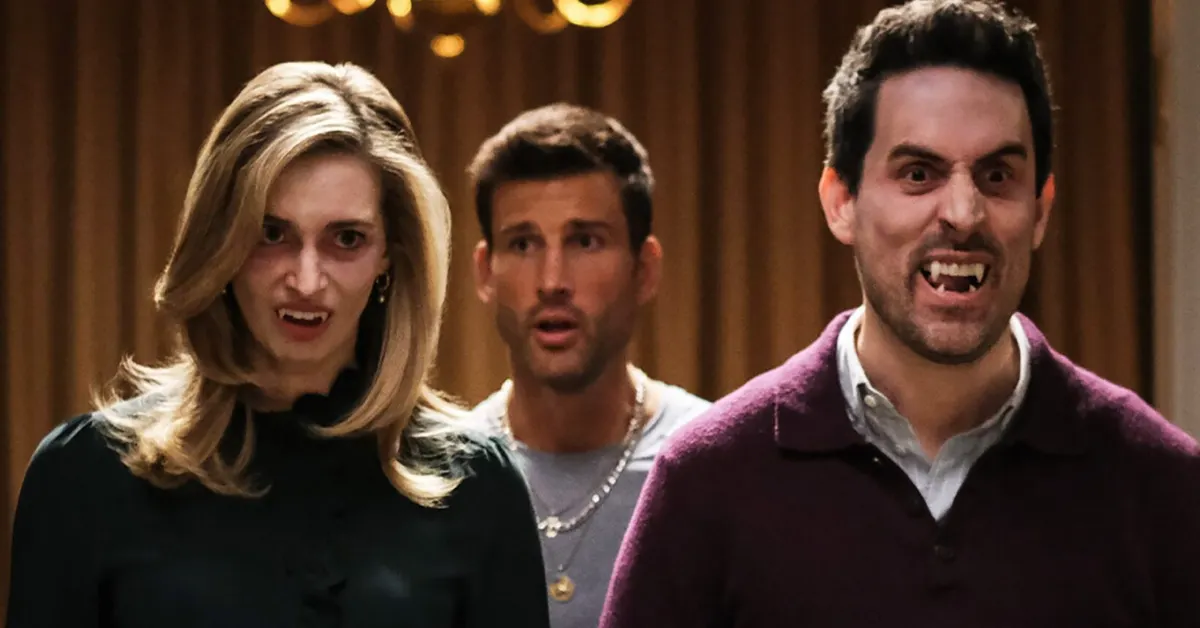



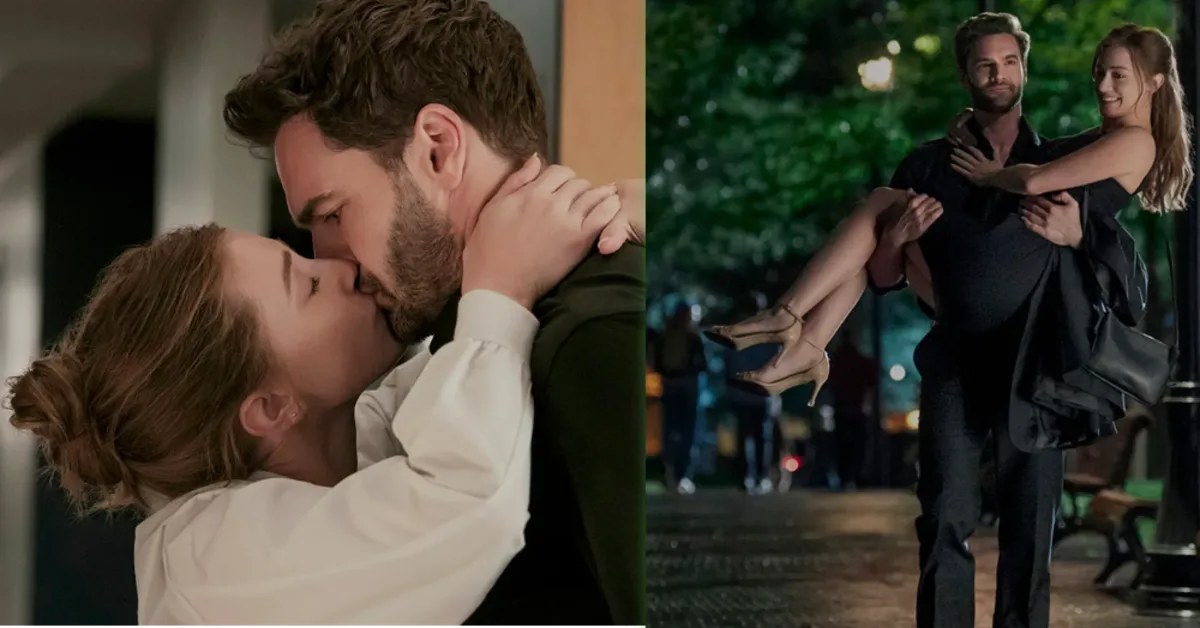



These limited series do not have the same retention problems. Since they tell a complete story in one season, there is no need to worry about viewers coming back for more. Netflix may decide to invest more heavily in this format. The company could also become stricter about renewing shows that do not hold onto their audiences. Some promising titles have already been canceled after just one season. The Boroughs, a popular sci-fi series, was recently added to the list of one-season shows.
Some Shows Are Still Growing Despite the Trend
Not every Netflix show is losing viewers. A few titles have managed to grow their audiences with new seasons. Bridgerton continues to perform well. The show’s fourth season is one of the few titles that has resisted the viewership drop. His & Hers also bucked the trend. These shows prove that it is still possible to keep viewers coming back. But they are the exception rather than the rule.
The data from Netflix’s own reports shows that the platform still has huge overall viewership. In the first half of 2025, subscribers watched more than 95 billion hours of content. That was up 1 billion hours from the same period in 2024. People are still watching Netflix. They are just not always watching the same shows season after season. They sample new shows, watch one season, and then move on to something else. This creates a challenge for Netflix. The company needs to keep producing new hits to keep subscribers happy, but it also needs to build long-term franchises that keep people engaged over many years.
The viewership drop problem is not going away anytime soon. With long waits between seasons, strong competition from other platforms, and changing viewing habits, Netflix has a real challenge on its hands. The company is studying the data and looking for answers. But for now, the numbers show a clear trend. Many of Netflix’s biggest shows are losing more than half of their season 1 viewers. And that is a problem that will not be easy to fix.
Also Read: The Five Star Weekend Season 1 Complete Release Schedule 2026: All Episodes Drop Together on Peacock
For more entertainment news and updates on the streaming world, keep reading VvipTimes for the latest stories on your favorite shows and platforms.



























































































Leave a Reply